RCRA 420 Class Sailors Visit Clínica Tambre: Partnerships Driving Youth Sailing in Alicante
On April 13, 2026, the young sailors of the 420 class team from the Real Club de Regatas de Alicante (RCRA) enjoyed a special day away from the water. Their visit to Clínica Tambre in Alicante marked a new milestone in the relationship between nautical sport and the healthcare sector in the city.
This activity is part of the sponsorship agreement between the clinic and the RCRA — a partnership that shows how competitive sailing in Alicante continues to gain support well beyond the sporting world.
What Is the 420 Class and Why It Matters in Alicante
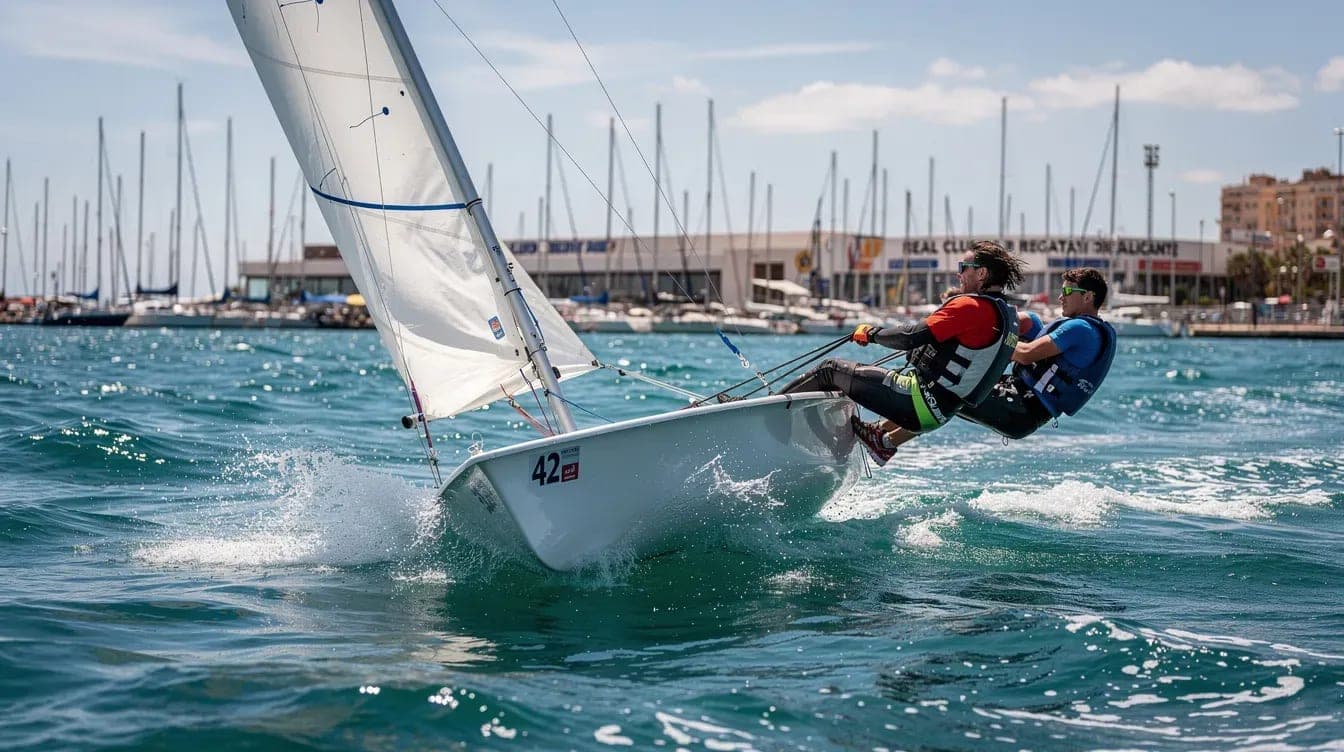
The 420 class is a double-handed sailing dinghy designed for youth training and competition. At 4.20 metres in length (hence the name), it is the go-to boat in sailing schools across the Mediterranean and one of the most active classes in national and international championships.
At competitive level, the 420 class is recognised by World Sailing as an international class and has been an Olympic stepping stone for generations of sailors. Many of today's competitors in Olympic classes like the 470 or the 49er took their first steps in a 420. The boat demands precise coordination between helm and crew, mastery of the spinnaker, and tactical reading ability — skills that translate directly to high-level sailing.
Internationally, the 420 class boasts an active fleet in over 60 countries. The 420 World Championship is held annually at rotating venues — from Lagos (Portugal) to Haifa (Israel) or Fremantle (Australia) — drawing hundreds of Under-19 teams competing to represent their national federations. Spain has historically been a powerhouse in this class, with teams regularly ranking among the top 20 in the world standings.
In Alicante, the RCRA's 420 programme holds special importance. Founded in 1889, the club is one of Spain's oldest and has historically been a breeding ground for nautical talent, with representation at the 1988 Seoul Olympic Games. Its sailing school has trained hundreds of sailors who have gone on to compete in regional, national, and European championships.
The young sailors competing in the 420 class represent the future of Alicante sailing: athletes in training who balance intensive practice with regional and national competitions year-round.
The Visit to Clínica Tambre: Where Sport Meets Health
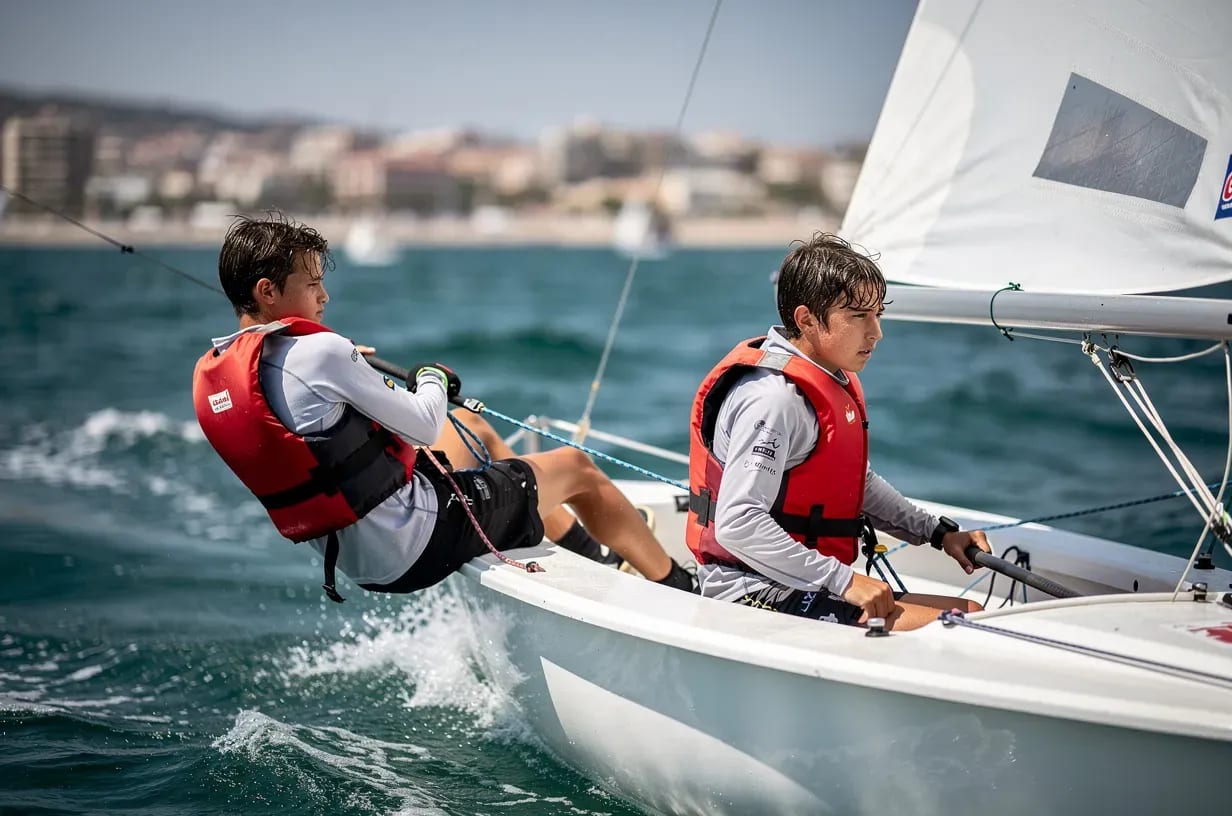
The April 13 event gave the sailors a first-hand look at Clínica Tambre's facilities in Alicante. More than a formal visit, it was a chance for the young athletes to understand the importance of health and wellbeing as an essential complement to sporting performance.
During the visit, the clinic's professionals delivered a talk on sports nutrition, injury prevention, and physical recovery — topics especially relevant for young athletes who put their bodies through intensive training on the water. The 420 class sailors, who spend hours exposed to sun, wind, and physical exertion while racing, received practical guidance on hydration, sun protection, and skin care in a marine environment.
The session also addressed the importance of rest and competitive stress management, an aspect often overlooked in underage athletes who juggle competition with their studies. The clinic provided each sailor with a personalised guide to healthy habits tailored to the demands of competitive sailing.
These health-focused initiatives are becoming increasingly common in Spanish youth sport, as clubs recognise that long-term athletic development depends as much on medical awareness as on technical training. For the 420 sailors — many of whom train five days a week and compete on weekends — understanding how to look after their bodies is not a luxury but a necessity.
Initiatives like this reinforce a clear message: sailing is not just a sport — it's a lifestyle that encompasses discipline, health, and teamwork.
The Impact of Sports Sponsorship on Spanish Youth Sailing
The agreement between Clínica Tambre and the RCRA reflects a growing trend in Spanish sailing: the entry of health and wellness sponsors into grassroots sport. Unlike major professional regattas, where brands gain massive media visibility, sponsoring youth programmes offers a different return — it directly contributes to the sustainability of sailing schools and allows families of all economic levels to access nautical training.
In Spain, yacht clubs with strong youth programmes increasingly depend on these agreements to cover equipment costs, travel to regattas, and hiring qualified coaches. Without these partnerships, many 420 class teams simply could not compete outside their province.
The numbers speak for themselves: a 420 class team competing at national level needs an annual budget of between €8,000 and €15,000 per crew, covering equipment, entry fees, travel, and accommodation. For families with several children in sport, these figures are simply unaffordable without external support. Sponsorships like Clínica Tambre's help subsidise part of these costs and ensure that talent is not lost due to lack of resources.
Beyond the financial aspect, these partnerships also bring professional expertise into the clubs. When a healthcare provider sponsors a youth sailing team, the relationship often extends to medical check-ups, physiotherapy access, and nutrition advice — resources that would otherwise be out of reach for a grassroots programme. This holistic approach to youth development is what sets the best Spanish sailing academies apart from their European counterparts.
The RCRA model — combining private sponsorship, institutional support, and professional management — has become a reference for other Mediterranean clubs looking to keep their youth development programmes alive.
RCRA Continues Building Strategic Partnerships
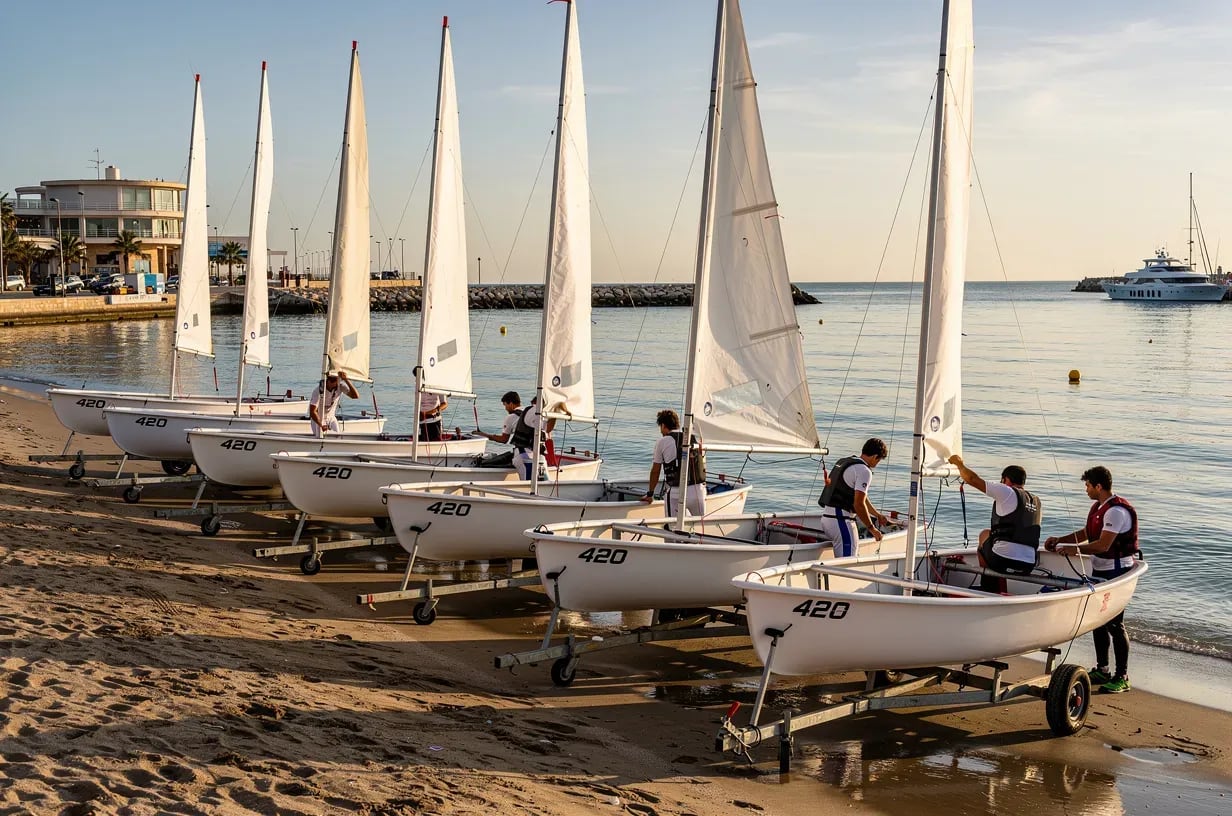
The agreement with Clínica Tambre joins a growing list of collaborations that the Real Club de Regatas de Alicante maintains with local businesses and institutions. From the Liga Iberdrola women's sailing league to educational projects like the Tirant I schooner, the RCRA is committed to being a club open to the city.
According to club president Miguel López, these partnerships serve a dual purpose: funding grassroots programmes (such as the 420 team) and raising the profile of sailing as an accessible discipline for young people in Alicante.
The club's outreach extends beyond competitive sailing. The RCRA runs introductory courses during the summer months that welcome hundreds of children and teenagers to the water for the first time. Many of these beginners go on to join the club's racing teams, creating a natural pathway from first sail to competition.
In a context where nautical tourism grows every season along the Costa Blanca, the RCRA's youth development programme is not only training future competitors but also helping to establish Alicante as a sailing reference point in the western Mediterranean.
420 Class Racing in Alicante: 2026 Calendar

The 2026 season is packed with events for 420 class sailors in Alicante waters:
- Comunitat Valenciana Regional Championship (April–June) — the provincial circuit with races in Alicante, Valencia, and Castellón that determines qualification for the nationals. RCRA teams regularly compete for podium places.
- TabarcaVela Diputación de Alicante (July) — the RCRA's flagship regatta, designated a High-Level Regatta by the RFEV, bringing together multiple classes on a course that includes the lap of Tabarca island. In 2023, it attracted 70 boats.
- Liga de Monotipos (full season) — a regular club-organised competition with monthly races that serve as competitive training for young sailors.
- Spanish 420 National Championship (TBC) — the ultimate goal for the most competitive teams, where Spain's best Under-19 sailors compete across a week of intensive racing.
- Jocs Esportius de la Comunitat Valenciana — a school sports programme that includes dinghy sailing and which the RCRA regularly hosts, bringing the sea closer to the youngest participants.
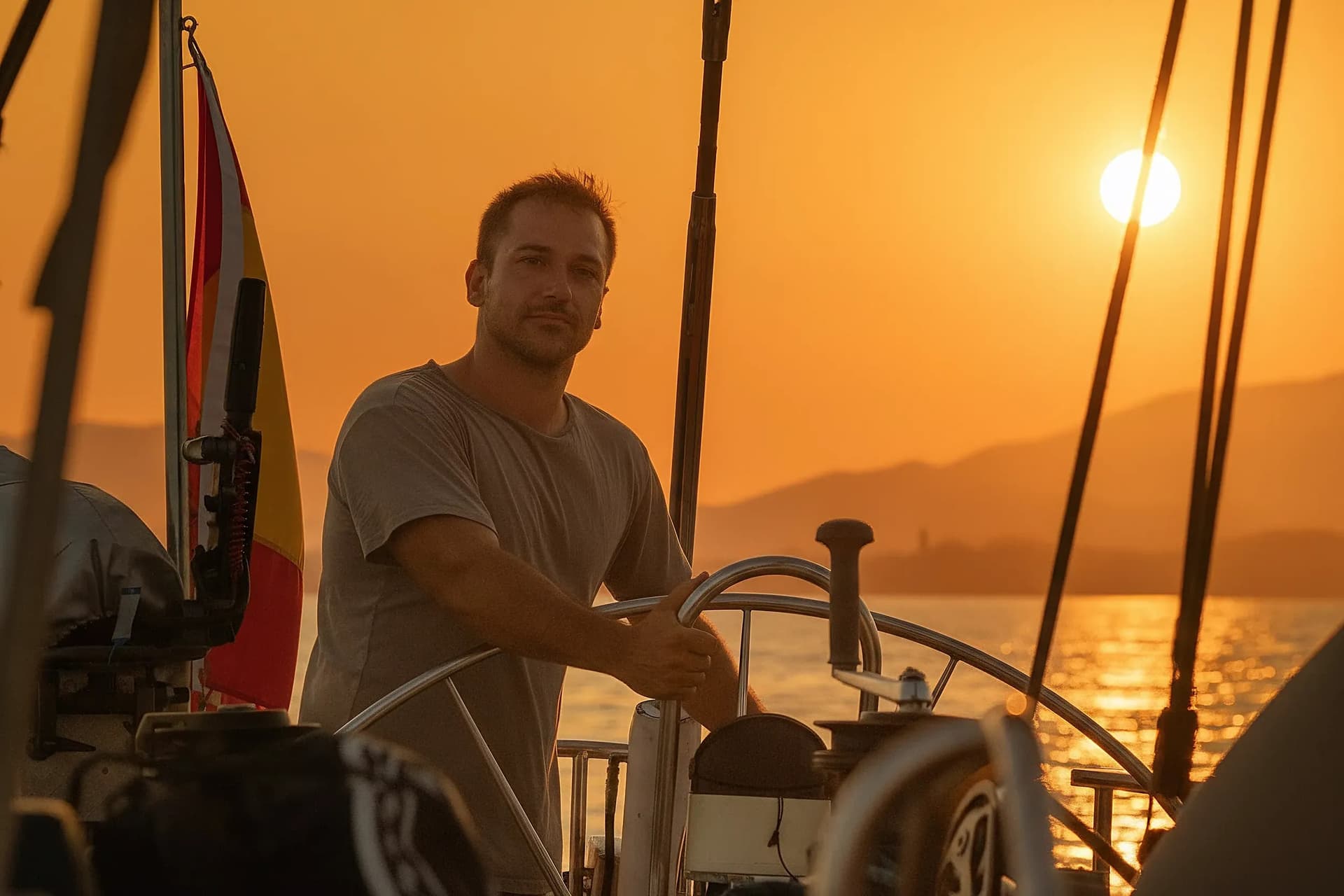
Each of these regattas is also a chance to experience the spectacle from the water. If you have ever wanted to watch a regatta from a privileged perspective, chartering a sailboat in Alicante is the best way to do it. You can also enjoy a sunset boat trip in Alicante with views of the bay while the sailors train.
Alicante, a Sailing City
Between the Volvo Ocean Race (now The Ocean Race), the RCRA's regattas, and a coastline that offers exceptional sailing conditions, Alicante has earned its status as Spain's sailing capital.
Alicante's bay offers conditions that few Mediterranean ports can match: consistent thermal winds from April to October, waters sheltered by the Cape of La Huerta, and temperatures that allow sailing virtually year-round. It is no coincidence that the city was chosen as the home port for the Volvo Ocean Race in 2011 and has since cemented that role with every edition. For young sailors, training in these waters provides a genuine competitive advantage.
The port of Alicante is also home to The Ocean Race Museum, an interactive space that brings ocean sailing to thousands of visitors each year and reinforces the city's maritime identity. Combined with events like the TabarcaVela regatta and crossings to Tabarca island, Alicante's nautical offering continues to grow.
Initiatives like the 420 sailors' visit to Clínica Tambre show that Alicante's nautical ecosystem goes beyond competitions. It is a network of clubs, businesses, sponsors, and families committed to sailing as an engine for sporting, educational, and tourism development.
And if you want to be part of that ecosystem, even for a day, sailing in Alicante's bay while watching the sailors train is an experience you will not forget. Our sailboat Peggy, a 19-metre Centurion 61, is the perfect vessel to experience sailing from the inside. Discover our boat experiences in Alicante and live the Mediterranean the way those who sail it every day do.