Editorial metadata
- Meta title: Sailing Alicante to Formentera itinerary (3-5 days)
- Meta description: Practical Alicante to Formentera sailing itinerary with distances, weather checks, anchorages, safety margins and official sources.
- Search intent: informational route-planning guide. Booking decisions should be handled on service pages, not in this article.
A sailing trip from Alicante to Formentera is one of those experiences that sea lovers dream about for years — and once they finally do it, it completely changes how they think about holidays. It's not just about reaching a paradise island. It's about sailing a hundred miles of open Mediterranean, sleeping anchored in unnamed coves and discovering that the journey matters just as much as the destination.
Updated operational review: 28 June 2026. Distances, timings, anchorages and regulations in this guide are planning references, not a departure clearance; the skipper must confirm weather, berth/anchorage availability and local restrictions before each trip.
In this guide you'll find a practical itinerary to sail the Alicante–Formentera route in 3, 4 or 5 days, with strategic stops, anchoring tips and everything you need to know before casting off.
Why sail from Alicante to Formentera
Formentera has been in the collective imagination for decades as the island of turquoise water and endless sunsets. But arriving by plane and water taxi is a trimmed version of the experience. Doing it under sail transforms the trip: every mile builds anticipation, and when you finally anchor at Ses Illetes with the hook firmly set in white sand, you know you've earned it.
The distance between Alicante harbour and Formentera is roughly 100 nautical miles in a straight line (slightly less via Ibiza). With favourable southwest winds — common in spring and summer — a cruising yacht holds 6–7 knots on average without pushing. That means the crossing is perfectly feasible in a 3-to-5-day break, with room to anchor, explore and enjoy at a relaxed pace.
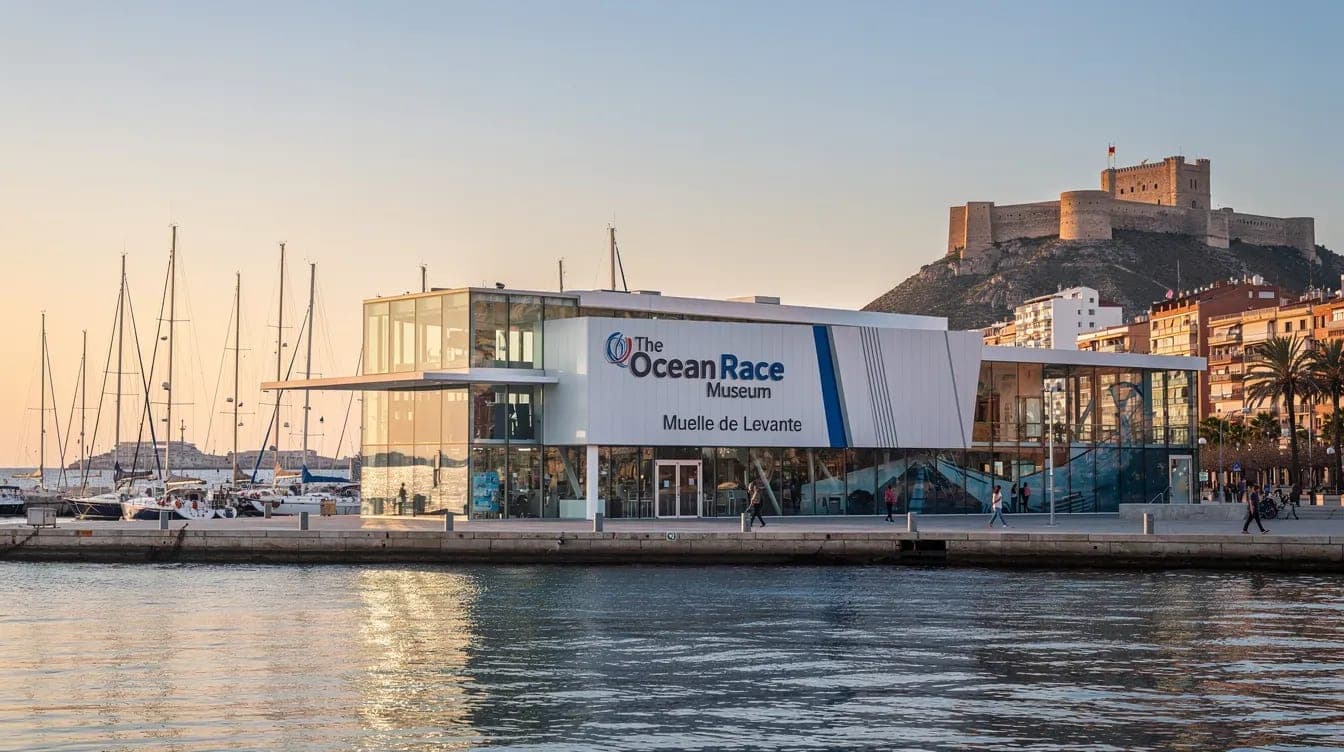
Alicante also offers a privileged departure point. The Real Club de Regatas sits right in the city centre, with full services for provisioning and preparing the boat. And sailing conditions off the Alicante coast — sheltered waters, predictable thermal winds in summer, moderate swell — turn the first hours of the trip into an ideal warm-up before heading offshore.
3-day itinerary: the express version
If time is tight but motivation is high, the Alicante–Formentera crossing can be done in 3 packed days. The plan demands a long sailing day up front, but the reward is worth every mile.
Day 1: Alicante → Ibiza (San Antonio)
- Departure: 06:00–07:00 from the Real Club de Regatas
- Distance: ~85 nautical miles
- Estimated time: 12–14 hours (at 6–7 knots)
- Arrival: 19:00–21:00 at Cala Salada or San Antonio harbour
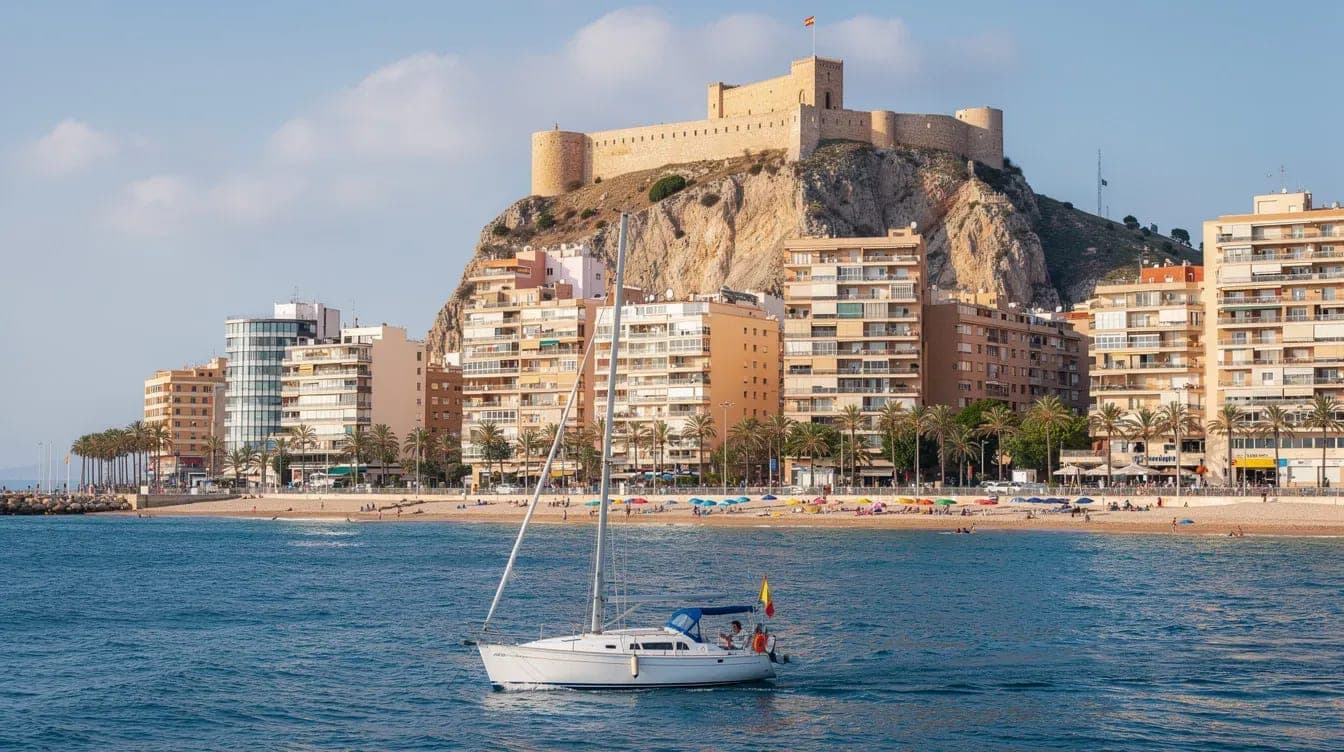
The first leg is the longest and the most thrilling. You leave the bay of Alicante with Santa Bárbara Castle astern, pass Cabo de las Huertas and set course southeast towards the Balearics. The first hours unfold with the Alicante coast visible to starboard; afterwards, open sea.
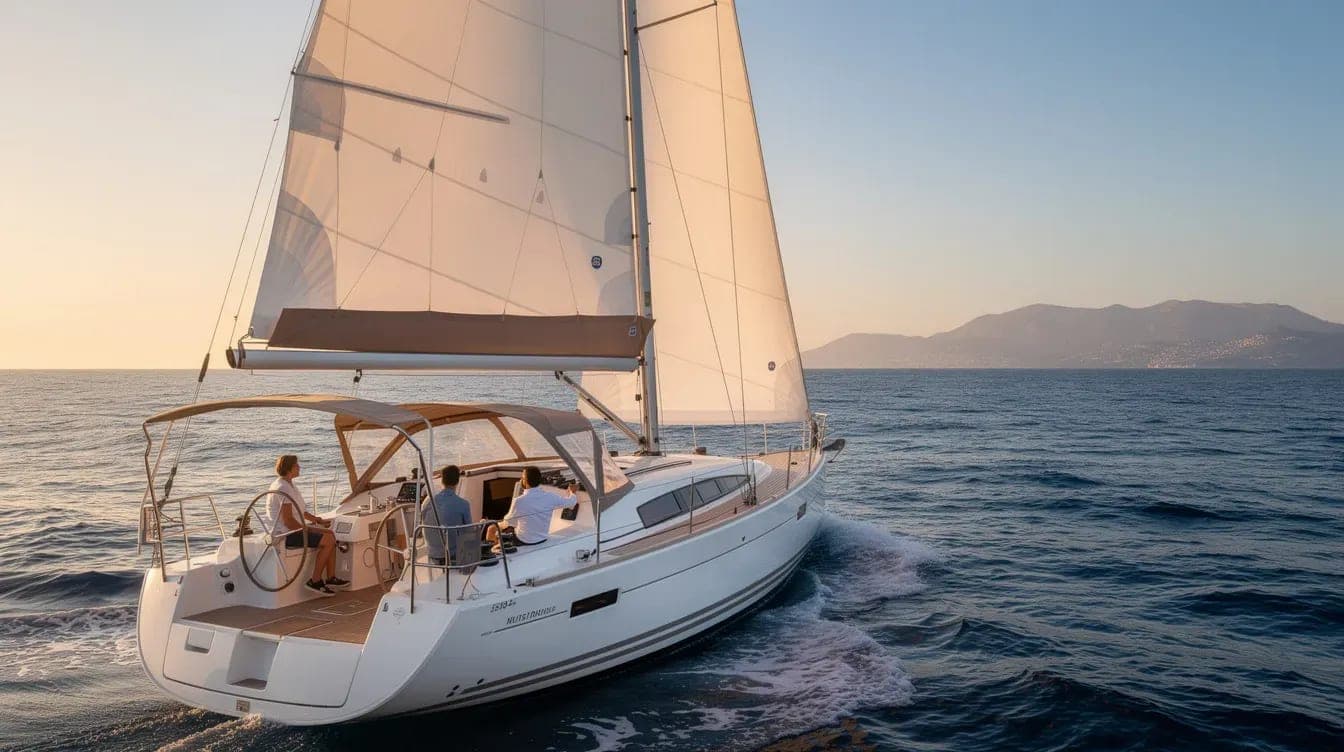
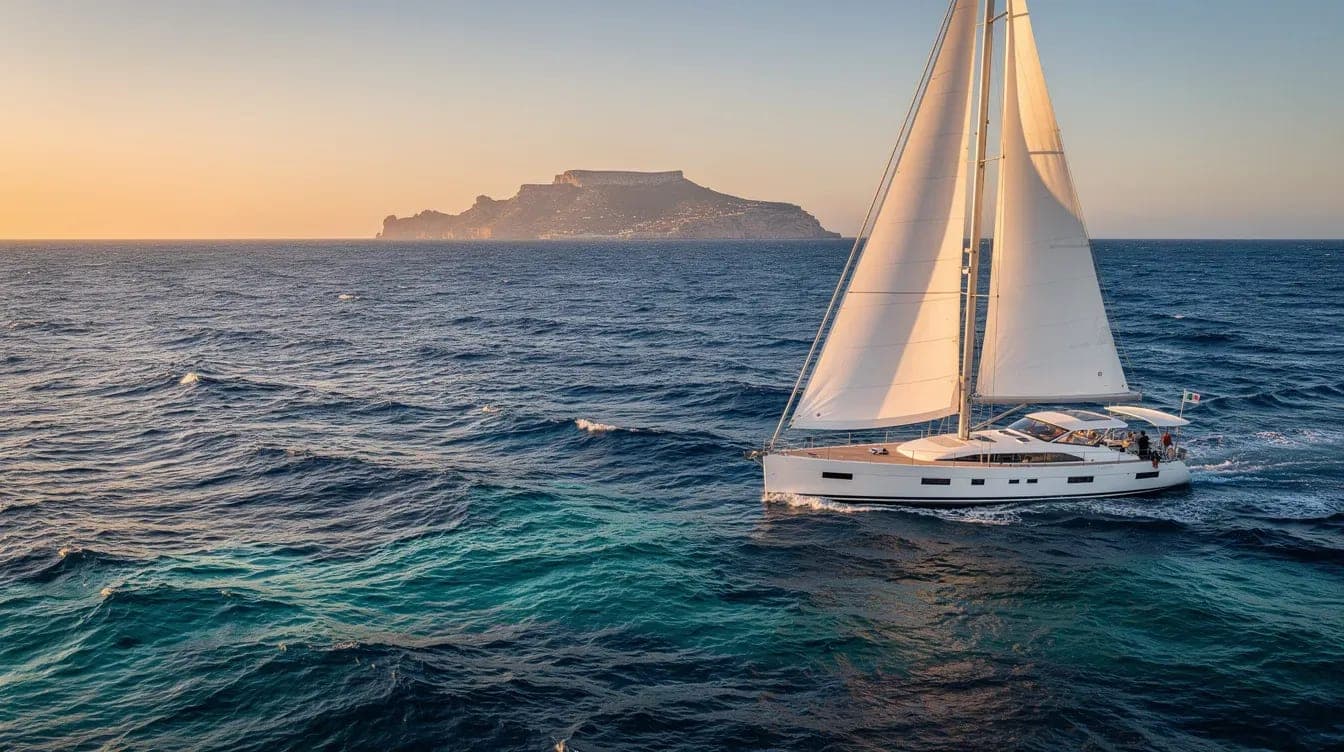
The central stretch — roughly 60 miles with no land in sight — is pure offshore sailing. This is the moment the crew understands why a sailboat is different from any other vessel: the silence of the engine off, the sound of water against the hull, the feeling of advancing powered only by the wind.
In the late afternoon, the silhouette of Ibiza appears on the horizon. If you arrive with daylight, Cala Salada is a spectacular anchorage for the first night. If you prefer services and dinner ashore, San Antonio harbour is well equipped.

Day 2: Ibiza → Formentera
- Distance: ~12 nautical miles
- Estimated time: 2–3 hours
- Recommended anchorages: Ses Illetes, Cala Saona, Es Caló
The short sail on day two is a perfect contrast with the previous marathon. You head down the west coast of Ibiza — with an optional stop at Es Vedrà if the wind allows — and cross the Es Freus passage between Ibiza and Formentera.
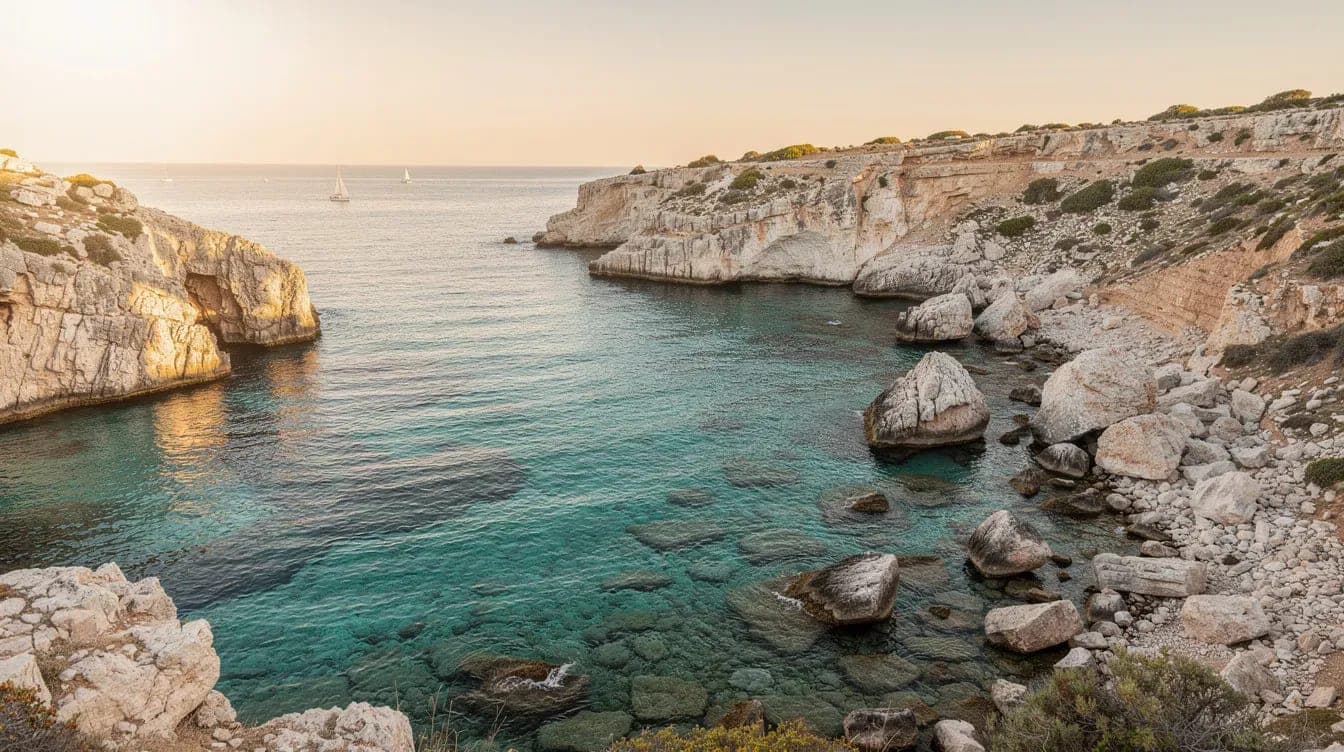
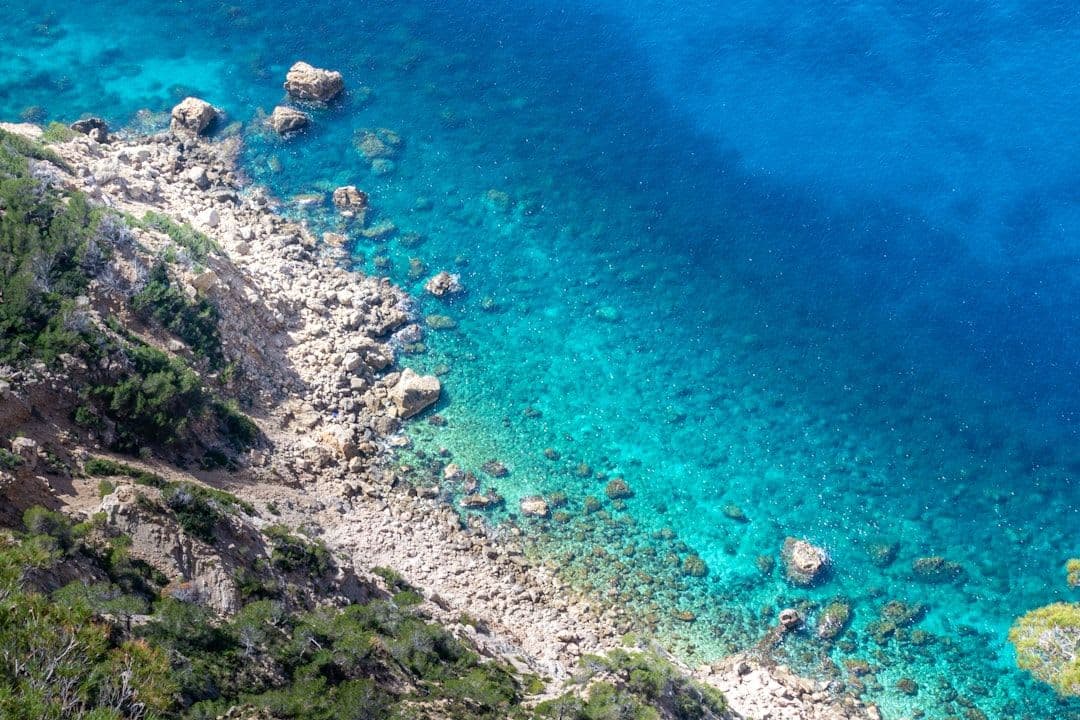
Here begins what many crews consider one of the most memorable anchorages in the western Mediterranean: Ses Illetes. It is also a regulated and environmentally sensitive area, so anchoring rules, buoy fields and posidonia protection must be checked before arrival. White sand, water that looks like a natural swimming pool and posidonia meadows that paint the seabed an hypnotic emerald green. You anchor, set the hook and don't want to move for hours.
In the afternoon you can relocate to Cala Saona (sheltered from easterlies, unforgettable sunset) or explore Es Caló de Sant Agustí on the north coast, a tiny natural harbour with fresh-fish restaurants.
Day 3: Formentera → Alicante (return passage)
- Departure: 05:00–06:00 (catching the overnight land breeze)
- Distance: ~90 miles
- Estimated time: 13–15 hours
- Arrival: 18:00–21:00 in Alicante
The direct return is long but doable. You leave before dawn, when the offshore breeze helps you clear Formentera, and sail all day northwest. If conditions cooperate, the wind veers to an onshore sea breeze in the afternoon and pushes you towards the Alicante coast.

5-day itinerary: the unhurried crossing
If you can afford two extra days, the experience levels up considerably. The 5-day itinerary is the one we recommend because it lets you enjoy every stop without the pressure of the miles.
Day 1: Alicante → Tabarca Island
- Distance: ~12 miles
- Estimated time: 2–3 hours
- Anchorage: north side of Tabarca (southerly winds) or south side (northerlies)
Starting with a short leg makes perfect sense: the crew settles in, gets familiar with the boat and shakes off land legs before the long crossing. Tabarca is the only inhabited island in the Valencian Community and a protected marine reserve. Snorkelling around Tabarca can be spectacular, but anchoring must avoid protected seabeds and follow the rules of the marine reserve and the skipper's instructions. If you've never been, a day trip to Tabarca alone is worth it to understand why it's a natural heritage site.
Day 2: Tabarca → Ibiza (Sant Antoni or Cala Salada)
- Distance: ~75 nautical miles
- Estimated time: 11–13 hours
- Recommended departure: 06:00
The long leg of the crossing. You leave Tabarca at dawn, clear Cabo de Santa Pola and head offshore towards the Balearics. It's a full day of pure sailing — watch rotations, lunch on deck, reading in the cockpit while the autopilot holds course.
Day 3: Ibiza → Formentera (exploration)
Take it easy. You can coast along southern Ibiza, stop at Cala d'Hort facing Es Vedrà and reach Formentera by midday. Stop near Ses Illetes only where current regulation and seabed protection allow it, then swim, paddle surf or snorkel without disturbing posidonia meadows. Dinner on board or at one of the beachside chiringuitos.
Day 4: Formentera (full day at anchor)
A whole day on Formentera without moving the boat. Cycle the island (rentals available at La Savina for a few euros), visit La Mola lighthouse at sunset, eat seafood rice at Es Caló. This is the day that sets the sailing trip from Alicante to Formentera apart from a simple transfer: it's not about going and coming back, it's about staying.

Day 5: Formentera → Alicante (direct return)
Early departure, long sail, arrival at dusk. The return has its own magic: the feeling of having completed a real adventure, with miles of open sea behind you and the bay of Alicante opening up like a welcome.
Route estimates and verification sources
The figures below are planning estimates reviewed on 28 June 2026. They are not a navigation plan. Confirm them with current charts, weather, marina information and the skipper before departure.
| Leg | Planning distance/time | What can change it | Source to check before departure |
|---|---|---|---|
| Alicante - Tabarca | About 12 NM / 2-3 h | Sea breeze, swell around Cabo de Santa Pola, anchoring restrictions | AEMET coastal forecast, PORTUS, Tabarca marine reserve information |
| Tabarca - Ibiza/Sant Antoni | About 75 NM / 11-13 h | Wind angle, crew fatigue, traffic, night arrival margin | AEMET Mediterranean forecast, PORTUS, marina availability |
| Alicante - Ibiza direct | About 85 NM / 12-14 h | Average speed below 6 kn, easterly swell, ferry traffic | AEMET, PORTUS, AIS/watch plan, destination port status |
| Ibiza - Formentera | About 12 NM / 2-3 h | Es Freus traffic, anchorage regulation, posidonia protection | Balearic local notices, Formentera anchoring guidance, skipper decision |
| Formentera - Alicante | About 90 NM / 13-15 h | Forecast deterioration, crew rest, return sea state | AEMET/PORTUS update, alternate ports, skipper decision |
Verified planning checks before committing
Use this route as a planning brief, then verify the operational details close to departure:
- Weather window: check AEMET maritime forecast and Puertos del Estado wave/wind data for the Alicante-Balearic route. A stable 48-hour window is the minimum planning assumption; the skipper may require more margin.
- Traffic and watchkeeping: the Ibiza-Denia and Ibiza-Formentera corridors carry ferry and recreational traffic, so AIS, navigation lights and watch rotations are part of the passage plan.
- Anchorages and protected seabeds: Formentera and Tabarca include sensitive posidonia areas and regulated zones. Use official local information and the skipper's decision before dropping anchor.
- Ports and services: San Antonio, La Savina and other marinas can change rates, berthing availability and procedures by season; confirm them directly before departure.
Technical authorship
This guide is maintained by Barcos de Alquiler Alicante for crews researching multi-day routes from Alicante. Carlos Heston reviews the commercial and operational framing, while the professional skipper assigned to a trip is responsible for the actual passage plan, safety briefing, route changes and go/no-go decision. Where this article gives a distance, time or anchorage, read it as a planning reference that must be checked against current nautical information.
Local expertise and scope
This article is written as an informational guide for crews comparing a multi-day sailing charter from Alicante. Barcos de Alquiler Alicante and Carlos Heston use it as a route-planning starting point, but the final itinerary is always adapted by the professional skipper to the vessel, crew, weather and current Balearic restrictions. If those checks do not support the crossing, the safer option is to keep the trip on the Alicante coast or postpone.
Preparation and practical tips
Weather and best season
The best window to cross to Formentera runs from May to October. In June and September you'll find moderate winds (10–15 knots from the southwest), pleasant temperatures and less maritime traffic than in peak August. July and August are feasible, but Formentera's popular anchorages fill up and it pays to arrive early.
Before departure, always check the AEMET forecast and coast guard reports. The Ibiza channel can have confused seas with easterly winds (levante), so plan the crossing with a stable weather window of at least 48 hours.
What to bring on board
Beyond the basics — which you can review in our boat trip packing checklist — a multi-day passage requires:
- Provisions for 3–5 days (though you can restock in San Antonio and La Savina)
- Warm layers for night sailing (even in summer, nights at sea are cool)
- Seasickness medication if it's your first long passage
- Boat documentation and customs clearance if applicable (Spain → Balearics is domestic sailing, but carry the updated crew list)
- Navigation lights checked for dawn or dusk legs
Anchorages and ports along the route
| Stop | Type | Shelter | Services |
|---|---|---|---|
| Tabarca | Free anchorage | Good in northerlies | Restaurants, limited fresh water |
| Cala Salada (Ibiza) | Free anchorage | Good in south/east winds | None — bring everything |
| San Antonio (Ibiza) | Marina | Full | Fuel, water, electricity, supermarkets |
| Ses Illetes (Formentera) | Regulated anchorage | Moderate in northerlies | None — protected area |
| Cala Saona (Formentera) | Free anchorage | Good in easterlies | Beach chiringuito |
| La Savina (Formentera) | Marina | Full | Fuel, water, supermarket, bike rental |
Night sailing and safety
If you opt for the 3-day itinerary, some legs will include dawn or dusk sailing. It's not dangerous if you're prepared:
- Watch rotations of 2–3 hours per person
- Auto-inflating lifejackets for the night watch
- Radar and AIS active (frequent ferry traffic on the Ibiza–Denia route)
- Navigation lights verified before departure
With a professional skipper on board, all safety logistics are covered. You just need to enjoy the sunrise in the middle of the Mediterranean — which is no small thing.
What sets this crossing apart from a regular charter
A boat excursion of half a day or full day from Alicante is a fantastic experience. But a multi-day passage to Formentera is in a different league.
Here you don't return to port at night. You sleep anchored in a cove with the starlit sky as your ceiling. You cook in the yacht's galley (or dine on fresh fish at a restaurant you can only reach by sea). You wake up with the sun streaming through the hatch and jump in the water before coffee.
It's the difference between a stroll and an adventure. Between seeing the sea and living on it for days.
For those looking for the best coves near Alicante by sailboat, the Formentera crossing is the natural extension: you start with the coves of the Alicante coast and end up in the clearest waters of the western Mediterranean.
Budget and trip options
The cost of a sailing trip from Alicante to Formentera varies with duration, time of year and whether you hire a professional skipper or sail independently. The main factors are:
- Charter duration (3, 4 or 5 days)
- Season (mid or high)
- Fuel (a sailboat uses very little — most of the journey is under sail)
- Marina berths (San Antonio, La Savina — rates vary by length)
- Provisions on board
If you're weighing options and want to understand the price range for renting a sailboat in Alicante, the multi-day option offers the best value per night, especially when split among a group of 6–10 people.
For informational comparison, a skippered multi-day charter changes the planning burden: the skipper handles route validation, safety checks and paperwork, while the crew still needs realistic expectations about watches, seasickness, berth availability and weather delays.
Before you decide: what to keep in mind
- Fitness level: you don't need to be an athlete, but basic mobility to board and disembark matters. Open sea can cause seasickness in the first hours — if it's your first time, planning your first sailing trip with a shorter outing beforehand is a smart move.
- Ideal group size: between 4 and 8 people. Fewer than 4 and the trip can be expensive per head; more than 8 and space on board at night gets tight.
- Date flexibility: weather calls the shots. If the forecast isn't right for crossing, a good skipper will suggest an alternative (explore the Alicante coast, visit Tabarca, wait an extra day). Safety always comes first.
For further non-commercial preparation, compare this itinerary with a shorter full-day sail from Alicante, review a first sailing trip planning guide, and check the boat trip packing checklist before committing to a multi-day crossing.
Fact-check and operational sources
Sources reviewed on 28 June 2026: AEMET maritime forecast, Puertos del Estado PORTUS wave/wind data, Spanish recreational boating rules and local protected-area information for Tabarca/Formentera checked before departure. An Alicante-Formentera passage is a long sail and needs weather margin, crew planning and safety checks. Before departure, review the AEMET Mediterranean maritime forecast, wave/wind data from Puertos del Estado - PORTUS and Spain's Royal Decree 875/2014 on recreational boating qualifications. Duration, stops and departure window are confirmed case by case with a professional skipper.