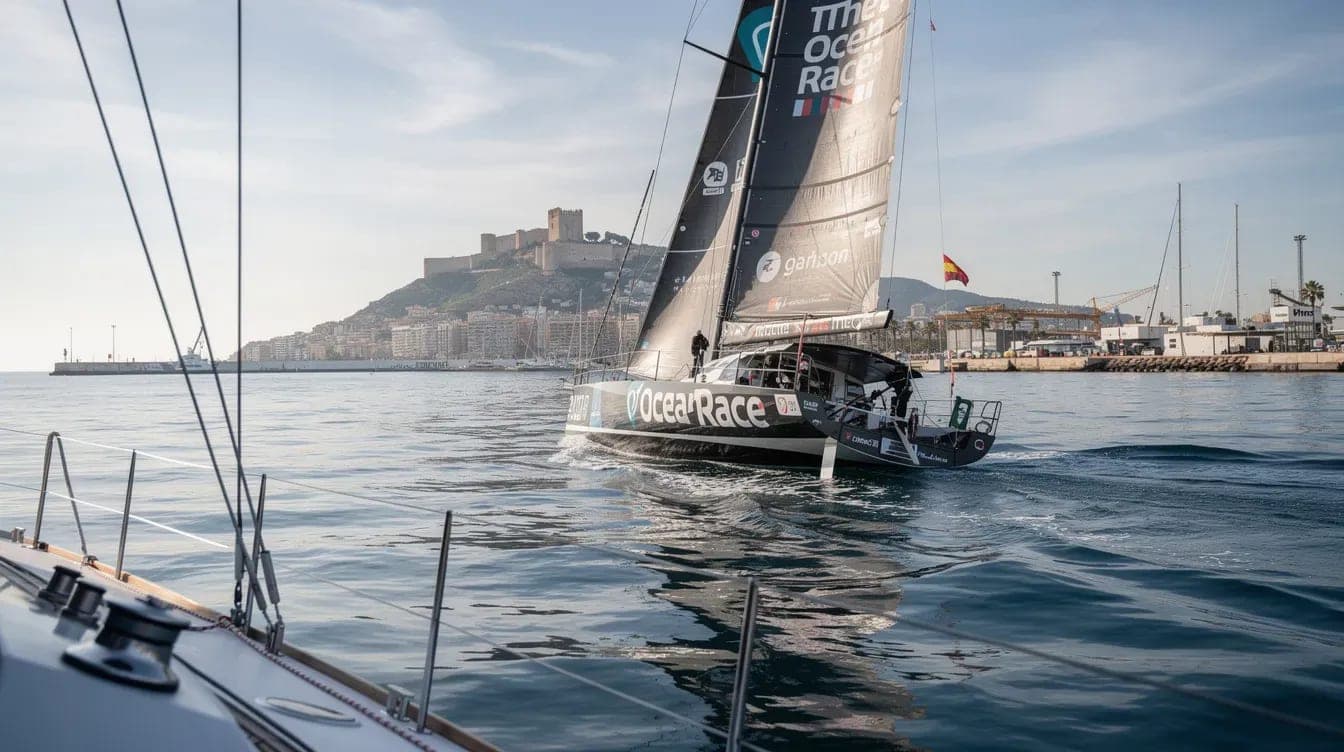
On 17 January 2027, Alicante will once again host the start of The Ocean Race, the most demanding round-the-world sailing race on the planet. It will be the sixth consecutive start from the city since 2008, and the port is expected to host pre-start activity, with the detailed public programme, spectator areas and team schedule to be confirmed by the organisers closer to the event.
Large crowds usually gather around the Explanada, Postiguet beach and Muelle de Levante for major race starts. But there is a perspective only a tiny minority of the crowd gets to enjoy: the one you have from the water, from the authorised spectator area, at the distance set by the event and maritime authorities. To watch the event from the authorised nautical spectator zone, you have to be on board a boat: access from the water is limited by the official perimeter, traffic controls and safety instructions.
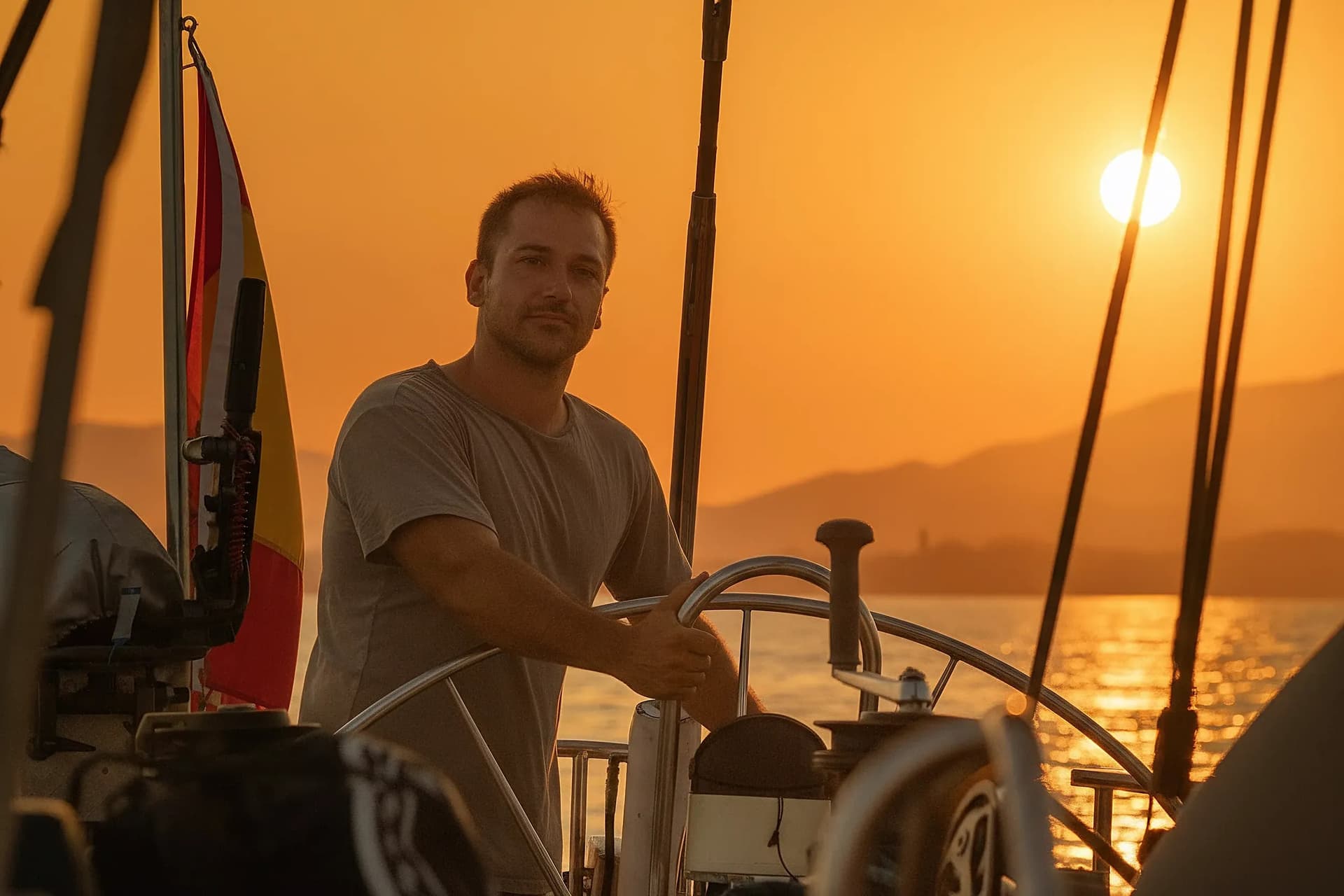
This guide explains what The Ocean Race 2027 is, when and where you can see the start from the sea, and what must be verified before watching any part of the start from the water. My name is Carlos, skipper of Peggy, a 19-metre sailboat based at the Real Club de Regatas de Alicante, and I use local skipper experience to explain what must be confirmed before planning a viewing day from the water.
Dates and route: The Ocean Race 2027 leaves Alicante on 17 January
According to The Ocean Race official news page, Alicante is scheduled as the start port for The Ocean Race 2027 on 17 January 2027. Treat that as the fixed anchor date; treat the detailed public programme, water spectator zones, team list and local navigation instructions as provisional until the organisation and maritime authorities publish them.
Confirmed vs still to verify for 2027:
| Item | Status for planning |
|---|---|
| Alicante start port and target start date | Confirmed by The Ocean Race official communications |
| Boat class and race format | Check The Ocean Race, IMOCA and World Sailing updates before publication/booking decisions |
| Race village/fan-zone times | Verify once the official Alicante programme is published |
| Nautical spectator perimeter | Verify with event instructions and local maritime authority before any on-water plan |
| Weather and sea state | Check AEMET and marine forecasts close to the date |
The full race lasts around six months with stopovers on different continents. For visitors in Alicante, the practical date is 17 January 2027, plus any official public activities announced for the days before the start.
Sixth consecutive start from Alicante (2008 → 2027): the story of a relationship
Alicante is not a casual start port. Since 2008 it has been the only port in the world to host six consecutive starts of the round-the-world sailing race:
- 2008 · 2011 · 2014 · 2017 — Volvo Ocean Race
- 2022 · 2027 — The Ocean Race (rebrand 2019)
The Volvo Ocean Race brand stopped being used in 2019 after the end of the Swedish group's sponsorship; the race was renamed The Ocean Race while keeping the same organisation, the same format and, above all, the same commitment to Alicante as Home Port.
Behind that continuity there is infrastructure purpose-built for the race: the Ocean Race Museum, located at the port, preserves original pieces from every edition and functions as the event's living memory. If you come to see the 17 January start, a museum visit is a perfect complement and gives you context for what you are about to witness. We cover it in detail in our Ocean Race Museum Alicante guide.

Fan zone Alicante 8 - 17 January 2027: what to see, where and when
In the days leading up to the start, the port normally concentrates public race activity, but access rules and opening times should be checked against the official programme. It is the moment to mix a family walk with high-level nautical tourism.
What you will find in the fan zone:
- Team-base atmosphere: previous editions allowed visitors to see parts of the race village and shore teams, but 2027 access will depend on the final programme.
- Official store: race and team merchandising.
- Family activities: simulators, exhibitions, workshops for kids.
- In-Port Race: a short regatta inside the bay, which serves as a run-in for the teams and an opening show for the city. You can watch it from the Explanada or from the sea (see next section).
- Cultural programme: concerts, screenings and sponsored events announced by the Alicante city council (confirmed in the weeks before the event).
The fan zone is usually open from 10:00 to 22:00. Access is free and no ticket is required, except for a few specific acts.
Where to watch the start from land: four options compared
If you cannot get out to sea, these are the four best spots to watch The Ocean Race 2027 start from land. Each has its pros and cons.
| Spot | Pros | Limitations |
|---|---|---|
| Explanada / Port | City centre, fan zone on foot, festive atmosphere | Huge crowds, view turned away from the start route |
| Postiguet Beach | Sand, open space, good view of the port mouth | The starting line is at medium distance |
| Muelle de Levante | Closest view to the boats as they leave the port | Restricted access in certain slots |
| Cabo de las Huertas | Clean perspective towards the open sea, less crowd | The IMOCAs pass far away, you will need binoculars |
None of these options will put you closer than 100-200 metres from the IMOCA 60s. To really get near them, the only option is to head out on the water.
Watching it from the sea: the perspective fewer than 5 % of the audience enjoys

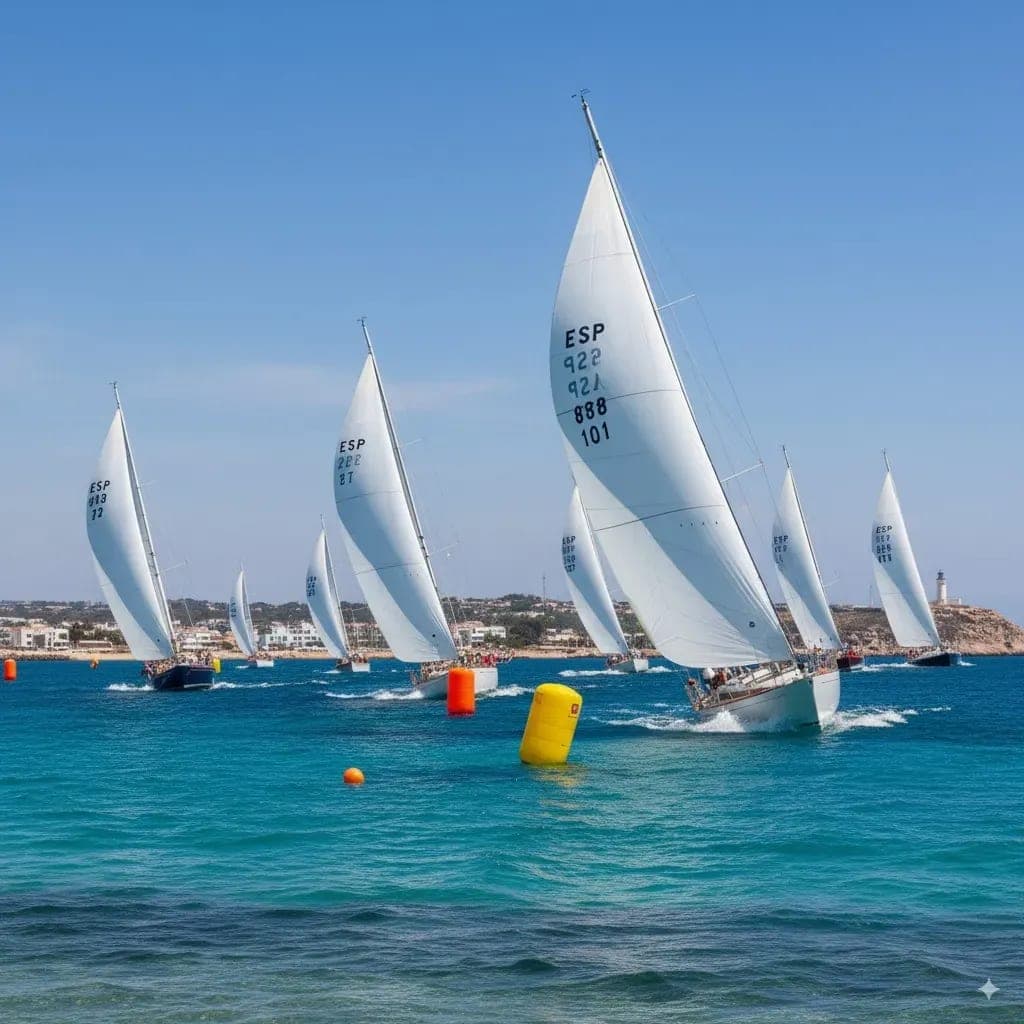
From a private sailboat the experience is something else. The fleet of authorised nautical spectators positions itself inside the race course delimited by the Maritime Authority and the organisation, at a safety distance set by the race committees. Access to this zone is subject to the organisation's official confirmation of the perimeter for the 2027 edition; in every previous edition since 2008 this spectator channel has been enabled, and we will update the article once the organisation publishes the specific regulations. From there you see:
- The IMOCA 60s manoeuvring in the pre-start, looking for an entry position.
- The gun and the first tacks, with the real sound of the boats heeling over and the crews shouting commands.
- The mouth of Alicante from the same angle as the racers, with the city in the background.
- The In-Port Race days earlier: an official training run, perfect to warm up on the race course.
In previous editions, the start has coincided with light-to-moderate easterly wind in January (8-15 knots), with comfortable conditions for spectator boats. It is not a sporty exit and requires no previous experience: the skipper sails, you enjoy.
During the start in January 2023 (The Ocean Race 2022-23 edition, the first after the rebrand), spectator boats had to follow event instructions, traffic control and weather limits. That is the useful lesson for 2027: the view from the water can be exceptional, but it depends on the official perimeter and safe sea conditions, not on a fixed promise of proximity.
What an on-water spectator plan should include:
- A departure time aligned with the official programme and harbour instructions.
- Skipper with Yacht Captain licence (me — Carlos, sailing out of RCRA since 2008).
- Positioning inside the spectator zone set by the organisation.
- 4 to 8 hours on board covering In-Port and/or official start depending on the package chosen.
- Up to 10 people on board.
- Vessel insurance and safety equipment checked before departure.
No boat should promise position, timing or proximity until the event instructions and weather window are known.
IMOCA, the new official class of The Ocean Race
One of the most relevant changes of this edition compared to previous ones: the race now runs on IMOCA 60s, the most advanced class in current ocean sailing.
What an IMOCA 60 is:
- Carbon monohulls, 18.28 metres (60 feet) long.
- Designed to race the Vendée Globe, the solo non-stop round the world.
- Fitted with foils that lift part of the hull out of the water at high speed.
- Top speeds around 30-35 knots (55-65 km/h).
Difference with the old VO65 (used between 2014 and 2022):
- The VO65 is a more robust one-design, built specifically for The Ocean Race with full crews. Heavier, no foils, slightly lower speeds.
- The IMOCA 60 is faster, lighter, more technologically advanced, and not a one-design: each team adapts its boat within the class rules.
The switch to IMOCA brings The Ocean Race closer to the world of the Vendée Globe and the elite of ocean sailing. The organisation keeps the VO65 Sprint Cup running in parallel so amateur and development crews still have a place in the event.
The official list of teams entered in The Ocean Race 2027 is confirmed in the months before the start. We will update this article when the organisation publishes the definitive list.
What to bring and practical recommendations (January in Alicante from the sea)
January in the Mediterranean off Alicante is mild, but from the water the wind-chill drops a few degrees. Packing well makes the difference.
Clothing in layers:
- Thermal base layer (technical long-sleeve shirt).
- Fleece or technical jumper.
- Waterproof windbreaker (essential).
- Hat and buff for the neck.
- Thin gloves if you get cold easily.
Footwear:
- White non-slip sole trainers (heels and dark soles that mark the deck are not allowed).
- Fine wool socks.
Protection:
- Polarised sunglasses (water glare in January is intense).
- Sunscreen SPF 30+ (yes, in January too — the reflection burns).
- Anti-seasickness (one Biodramina tablet 30-60 minutes before boarding as a precaution, although the bay of Alicante is usually calm). We explain it in more detail in our sailing tips Alicante guide.
Expected weather in Alicante in mid-January:
- Air temperature: 10-16 °C.
- Water: 14-15 °C.
- Prevailing winds: easterly, light to moderate (8-15 knots).
- Risk of storms: low, but we monitor AEMET's official forecast for Alicante in the 48 hours before. If conditions do not allow safe navigation, the responsible decision is to stay in port or change the plan.
What a spectator boat should carry:
- Life jacket for every person.
- Thermos with hot coffee/infusion.
- Toilet on board.
- Certified skipper and vessel insurance.
- Clear terms agreed outside the informational guide if the outing is a paid service.
How to plan a spectator boat safely
Keep this article informational and separate from booking terms. A serious on-water plan for 17 January should only be confirmed after checking:
- The latest official The Ocean Race Alicante programme.
- Any maritime spectator-zone instructions from the organiser and local authorities.
- The AEMET marine forecast and harbour conditions during the final 48 hours.
- The boat's capacity, safety equipment, insurance and skipper credentials.
- The cancellation or change-of-plan policy, agreed separately in writing.
Do not rely on old editions for exact 2027 timing, distance from the fleet or public access rules. Those details can change by event, weather and security perimeter.
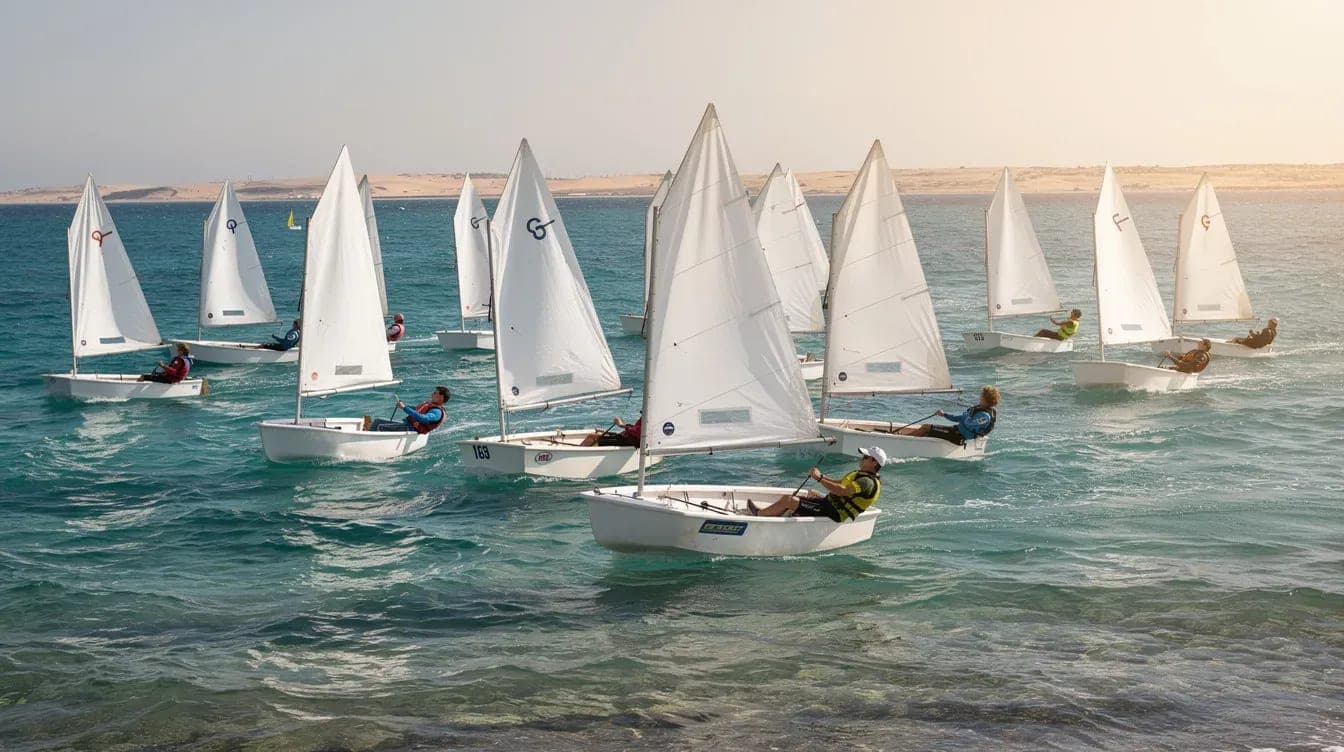
If you are still planning your trip, you may find useful the general boat excursions Alicante guide or the experience of the RCRA Monotype League seen from the sea, a good reference for how a regatta is lived afloat.
Sources: theoceanrace.com (official announcement of Alicante as start port of The Ocean Race 2027), World Sailing (international sailing regulator), IMOCA class (technical rules of the IMOCA 60 monohulls) and AEMET (official weather forecast for Alicante).