Alicante is an easy base for a first day at sea, but a good sailing plan still needs practical judgement: the current forecast, the real duration of the route, sun protection, safety on deck and respect for protected areas. This guide is written for visitors sailing from Alicante harbour with a skipper or on an organised private trip.
Operational check last reviewed: 28 June 2026. Always confirm the current forecast before departure, because wind, swell, coastal warnings and local restrictions can change from one day to the next.
Choose the season by comfort, not only by sunshine
The sailing season is not simply "summer or not summer". For a comfortable trip, crowd levels, heat and the forecast matter as much as blue sky:
- April, May, September and October: usually comfortable months for groups that want milder heat, quieter harbours and a softer first sailing experience.
- June, July and August: higher demand and stronger heat. Good for swimming and short anchor stops, but hydration, shade and timing matter more.
- Winter: can offer clear days and a quiet coastline, although trips depend more heavily on daylight and the marine forecast.
In Alicante, it is sensible to check the AEMET maritime forecast for Valencia and Murcia and compare it with Puertos del Estado data before confirming a trip. If there is a coastal warning, stronger wind than expected or uncomfortable swell, the skipper may adjust the route, timing or anchorage.
For heat-sensitive groups, a morning or late-afternoon departure is often easier than the middle of the day. In shoulder months, bring a light layer even if the day starts sunny.
What to bring on board
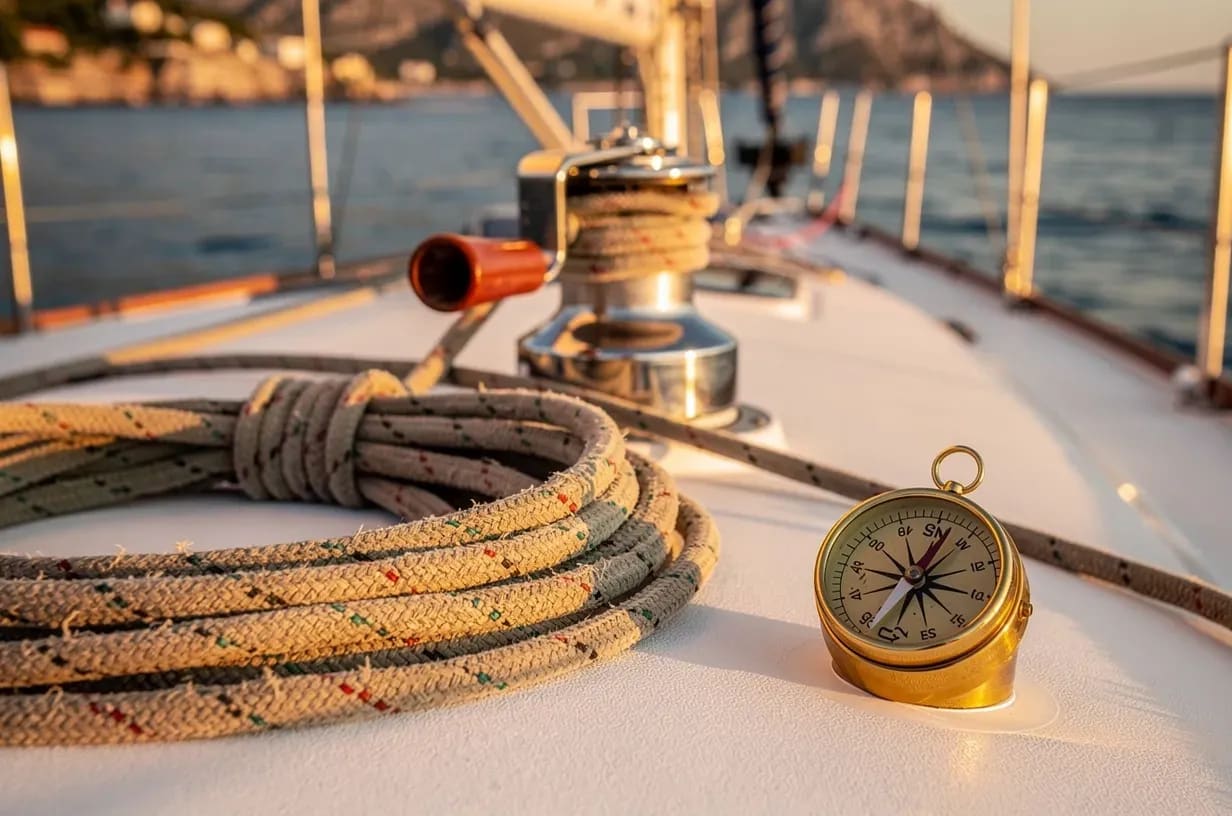
A soft backpack per person is normally enough. Space on board is limited, and loose objects move easily once the boat is underway.
- High-protection sunscreen, polarised sunglasses and a cap or hat that stays secure.
- Swimwear, towel and a dry T-shirt for after swimming.
- Light-soled deck shoes or footwear approved by the skipper.
- A thin layer or windbreaker if the trip ends near sunset.
- Waterproof pouch for your phone, documents and small items.
- Extra personal water if you dehydrate easily.
Avoid rigid suitcases, heels, dark soles, glass and anything you cannot stow safely. For a fuller packing list, use our boat trip packing checklist.
Seasickness: prevent it without false promises
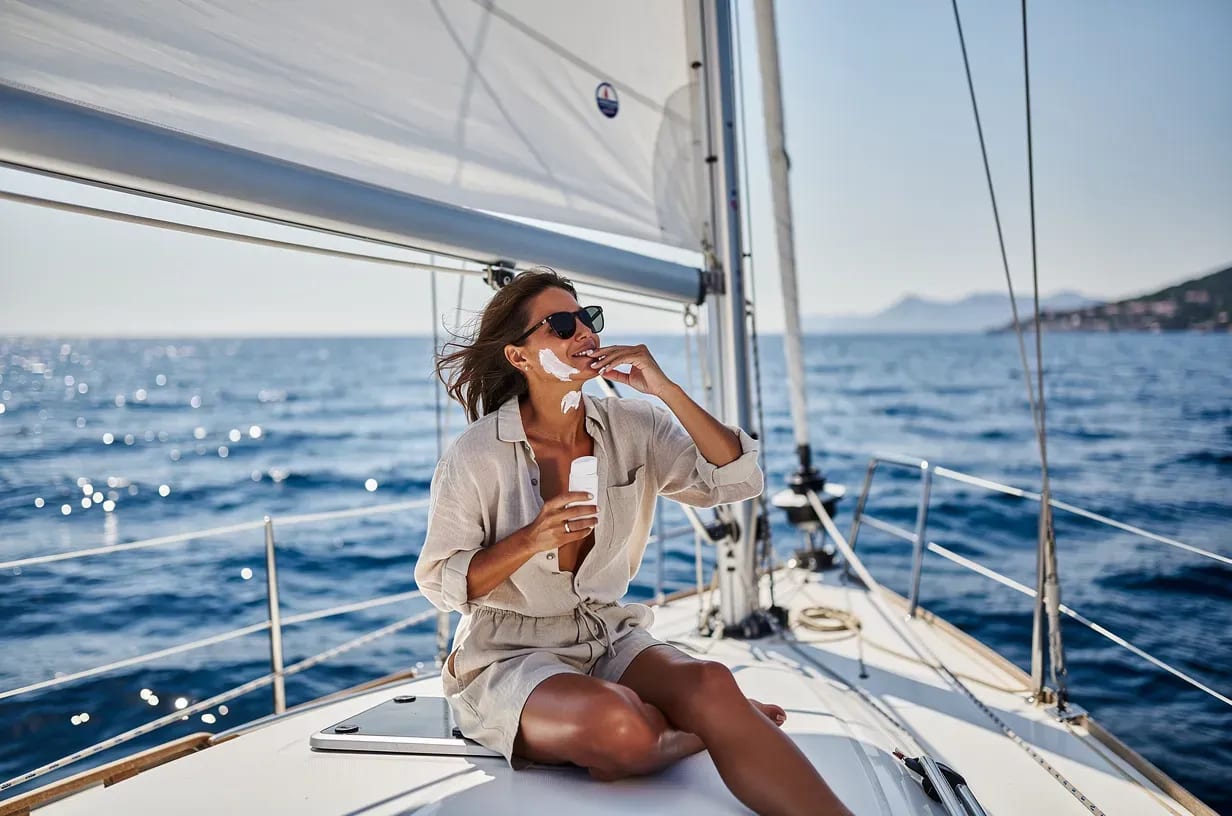
Seasickness depends on the person, the boat and the real sea state. On a skippered trip, the most useful step is to tell the crew before boarding if someone in the group is prone to motion sickness, so the skipper can choose a more sheltered plan when possible.
Simple measures that help:
- Eat something light before boarding; an empty stomach can make nausea worse.
- Look at the horizon if discomfort starts.
- Avoid reading or looking at your phone while underway.
- Stay on deck where there is air and a stable visual reference.
- Ask a pharmacist or doctor before taking motion-sickness medicine, especially for children, pregnancy, medical conditions or other medication.
- Avoid alcohol before and during sailing legs.
If someone feels unwell, say it early. Slowing down, changing course, moving to a sheltered area or anchoring briefly is easier when the skipper knows at the first signs.
Basic safety during the trip
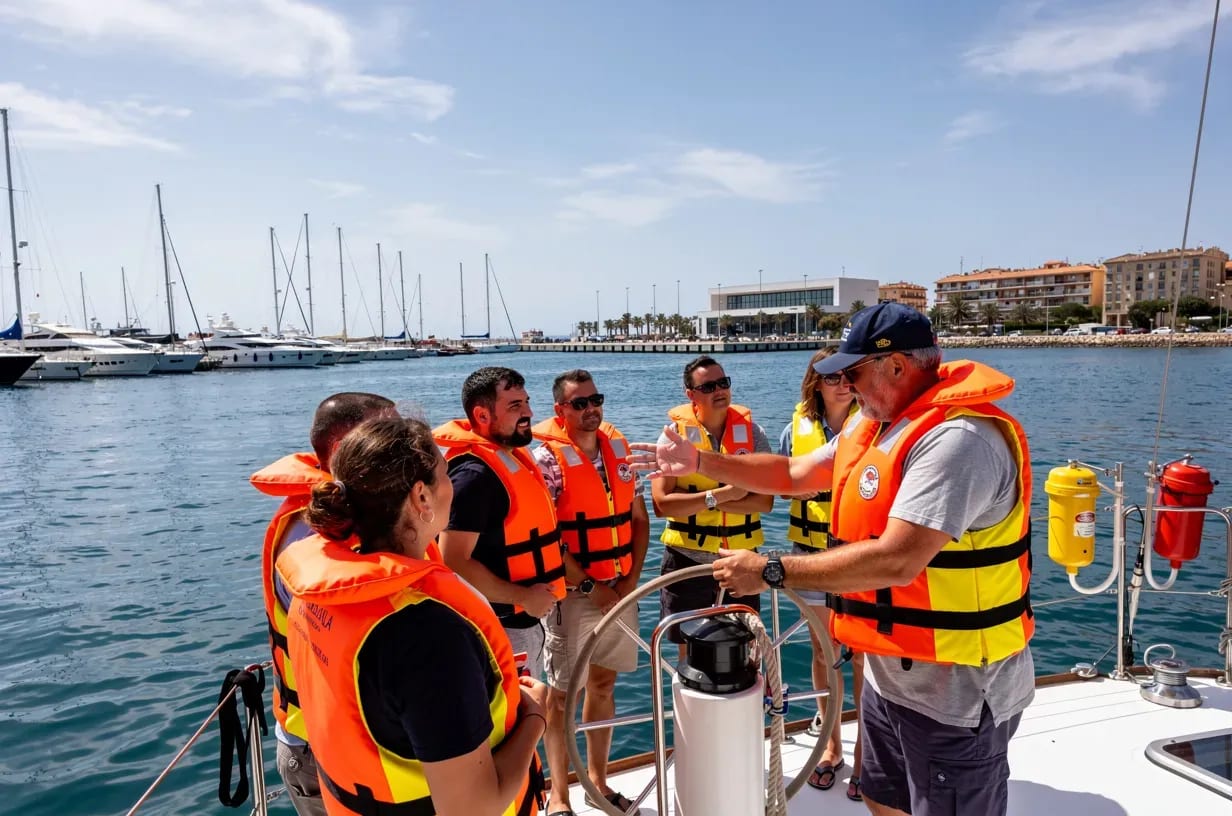
The skipper's briefing is not a formality. In a few minutes it explains where life jackets are, how to move around the deck, which areas to avoid during manoeuvres and when swimming is allowed.
Useful rules:
- Keep one hand free to hold on when moving.
- Do not sit in manoeuvring areas unless the skipper says it is safe.
- Do not jump into the water until the skipper confirms the boat is stopped, anchored or secured and swimming is safe.
- Drink water regularly, even before you feel thirsty.
- Protect children and older guests from direct sun.
- Report discomfort, a knock or any operational doubt early.
On a professionally skippered charter, nautical decisions belong to the skipper. Guests help by following instructions, keeping the deck tidy and avoiding sudden movements during manoeuvres.
Duration and routes from Alicante
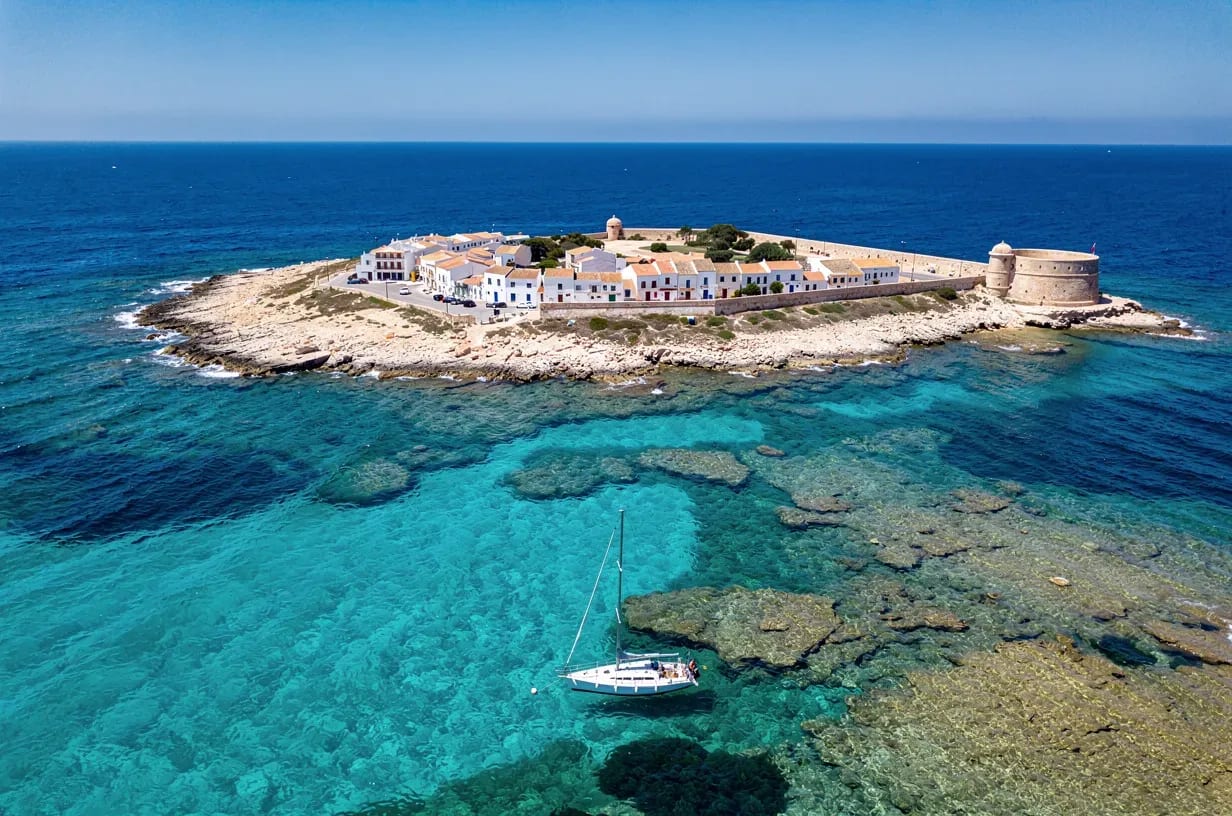
The right duration depends on the group's aim. A first coastal experience is different from a full-day plan with a long swim stop.
| Approximate duration | Sensible plan | Best fit |
|---|---|---|
| 4 hours | Nearby coast, swim stop if the sea allows, easy sailing | First timers, families, simple plans |
| 6 hours | More time to sail, anchor and avoid rushing | Mixed groups and relaxed celebrations |
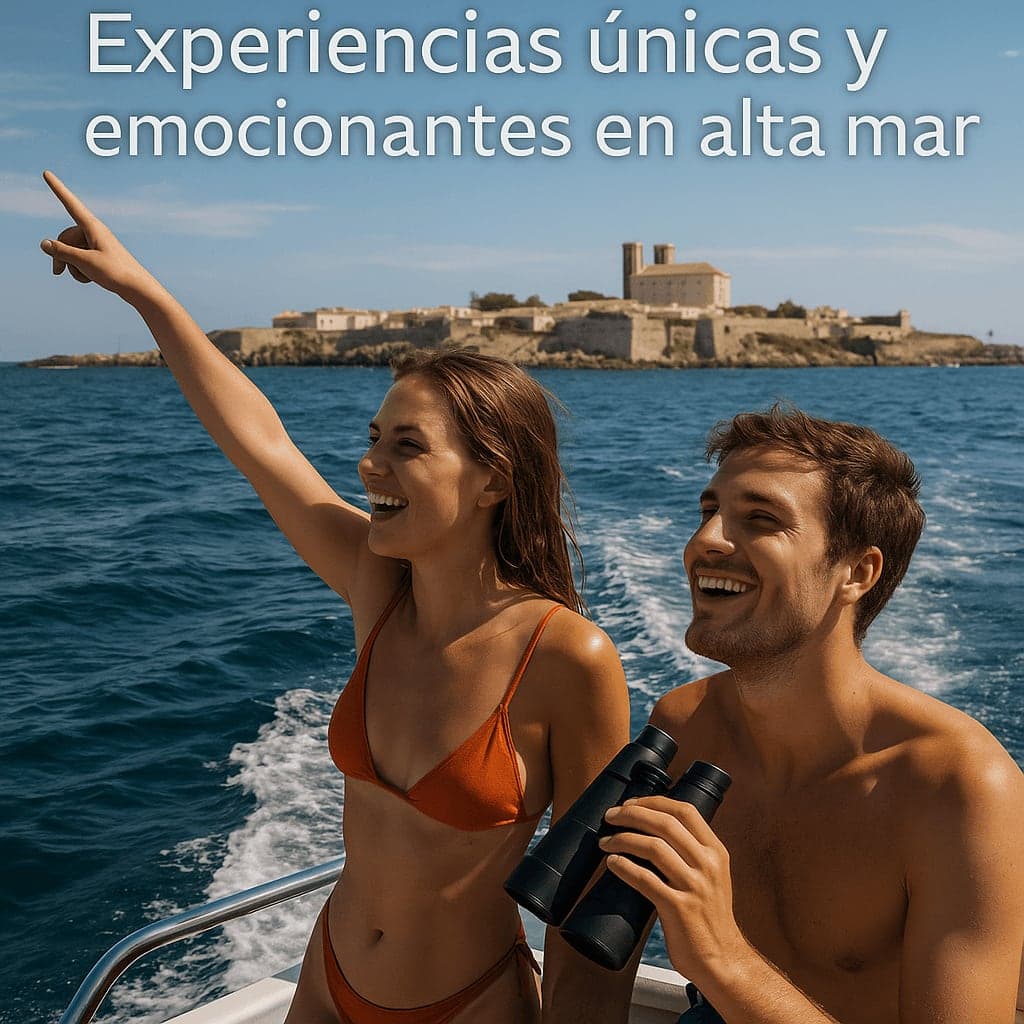
| 8 hours | Fuller route with Tabarca possible if conditions allow | Full day, swimming and snorkelling focus |
| 11 hours | Wider margin for several legs and breaks | Longer premium-style experience |
Tabarca needs real time: the passage out, legal anchoring or mooring options, lunch, swimming and the return. If the forecast is not suitable, a closer coastal route can be a better experience than forcing distance. For route comparisons, read the Alicante boat excursions guide.
If the aim is a celebration, logistics matter as much as the route: music, food, timing, boarding and group rules. The Alicante boat party guide goes deeper into that planning.
Marine environment and posidonia
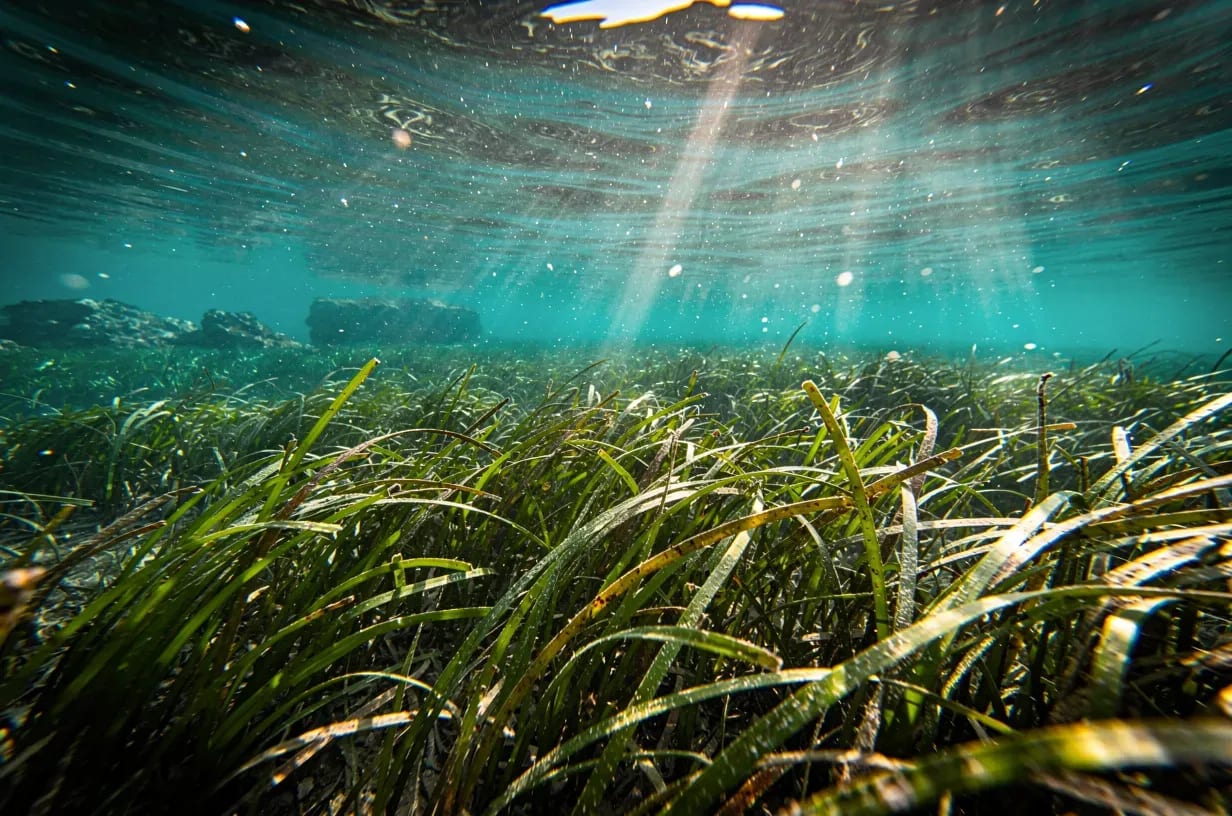
Posidonia oceanica is a protected seagrass and a key Mediterranean habitat. For guests, the practical rule is simple: throw nothing overboard and follow the skipper's instructions on anchoring and swimming.
Good practice:
- Anchor only where the skipper confirms the seabed and permission are suitable.
- Do not throw cigarette butts, plastics, food or drink waste into the sea.
- Do not touch or remove marine organisms.
- Keep distance from marine wildlife if it appears during the route.
- Use environmentally considerate sunscreen when possible.
In protected areas such as Tabarca, navigation, anchoring and activity rules may depend on current regulations and official signage. Before entering or anchoring, the skipper should check the applicable restrictions.
Licences and paperwork
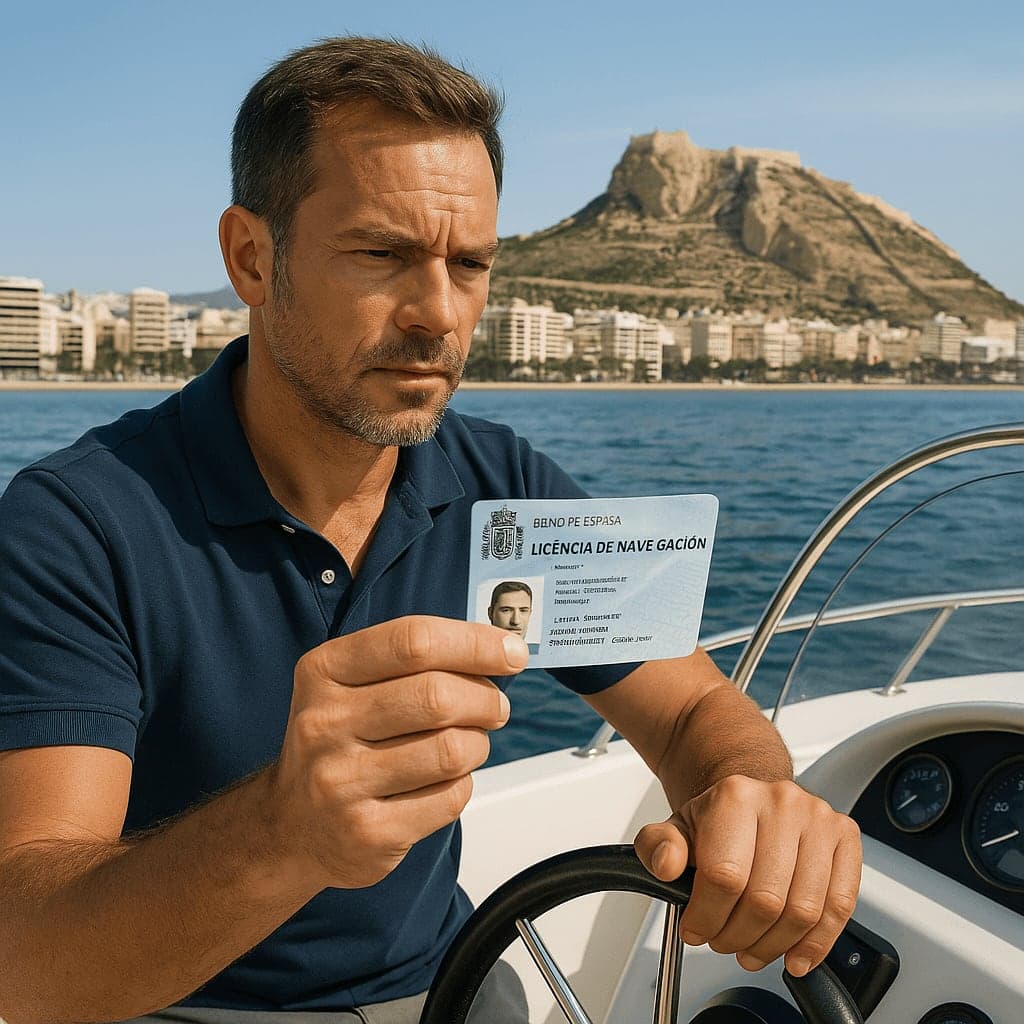
If you book a trip with a skipper, guests do not need a boating licence. The skipper handles navigation, operational safety and route decisions.
If you plan to operate a boat yourself, always check the current text of Royal Decree 875/2014 and official recreational boating licence guidance. Requirements can vary by length, engine power, distance from shore, time of day, navigation area and vessel type.
Practical rule: do not base a legal decision on a blog summary. Check the current regulation and, if hiring without a skipper, ask the rental company exactly what documents it requires for that boat and area.
Resources for planning
To budget the trip without mixing this informational guide with live prices, use the 2026 Alicante boat hire pricing guide. If you are still comparing sailboat, catamaran and motor yacht options, the Alicante yacht hire comparison explains differences in space, comfort and use.
Operational sources and verification
Reviewed on 28 June 2026 against official and operational references:
- AEMET maritime forecast for Valencia and Murcia.
- Oceanographic and port data from Puertos del Estado - PORTUS.
- Current text of Royal Decree 875/2014 on Spanish recreational boating qualifications.
- Official MITECO material on the Tabarca Marine Reserve.
FAQ
Do I need a licence if I go with a skipper?
No. On a professionally skippered trip, guests do not need a boating licence. They only need to follow the safety instructions on board.
What happens if the weather changes?
The skipper checks the forecast and adapts the route, timing or anchorage. If conditions are not safe or would make the trip uncomfortable, the prudent option is to rethink the plan.
Is Tabarca better than a nearby coastal route?
Tabarca works when there is enough time and a suitable forecast. For first timers, families or groups that prefer less sailing and more relaxed swimming, a closer coastal route may be more comfortable.