
SEO title: Quiet beaches and coves in Alicante in late June | Local guide
Meta description: How to choose quiet beaches and coves in Alicante in late June by timing, wind, access and type of coastal plan.
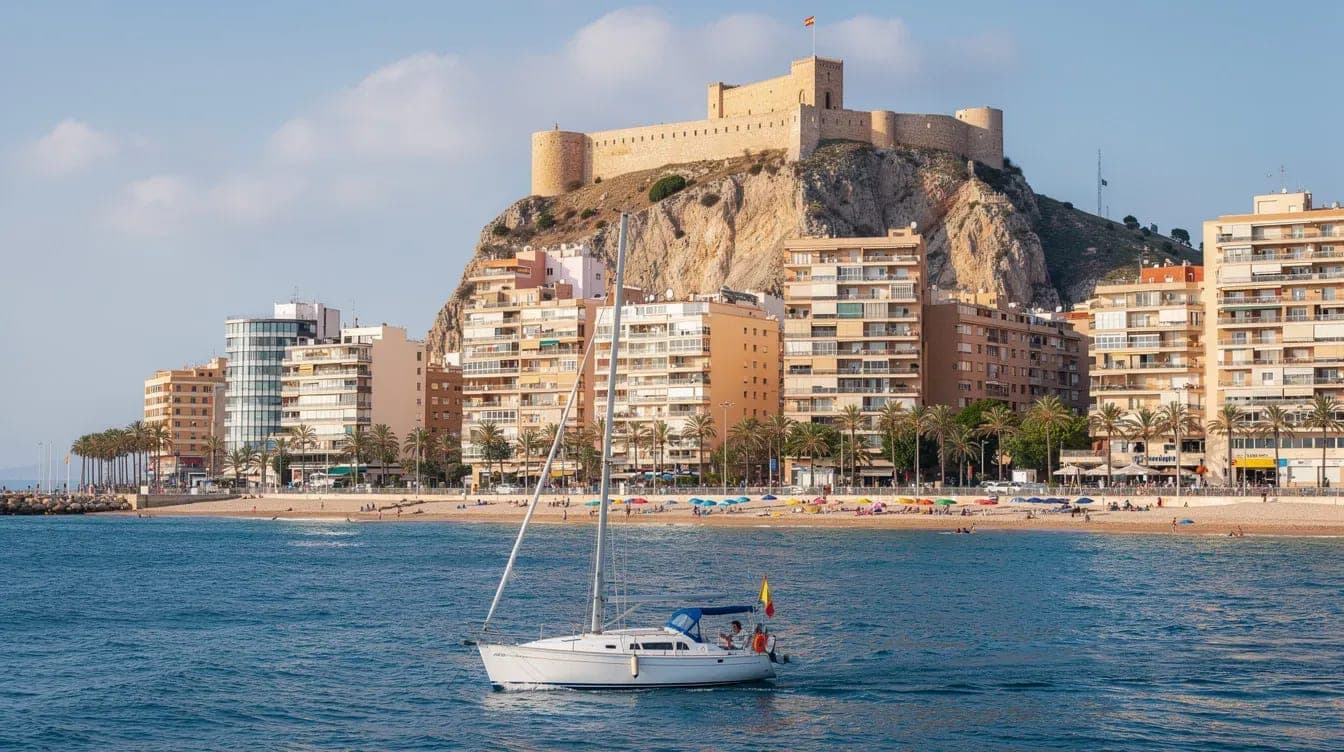
Late June is one of the best moments to look for quiet beaches and coves in Alicante. The days are long, the water already feels like summer, and the coast has not yet reached the full pressure of July and August. But a quiet spot is not defined only by the beach name. It depends on time of day, wind, access, services and how many people are concentrated in the same small area.
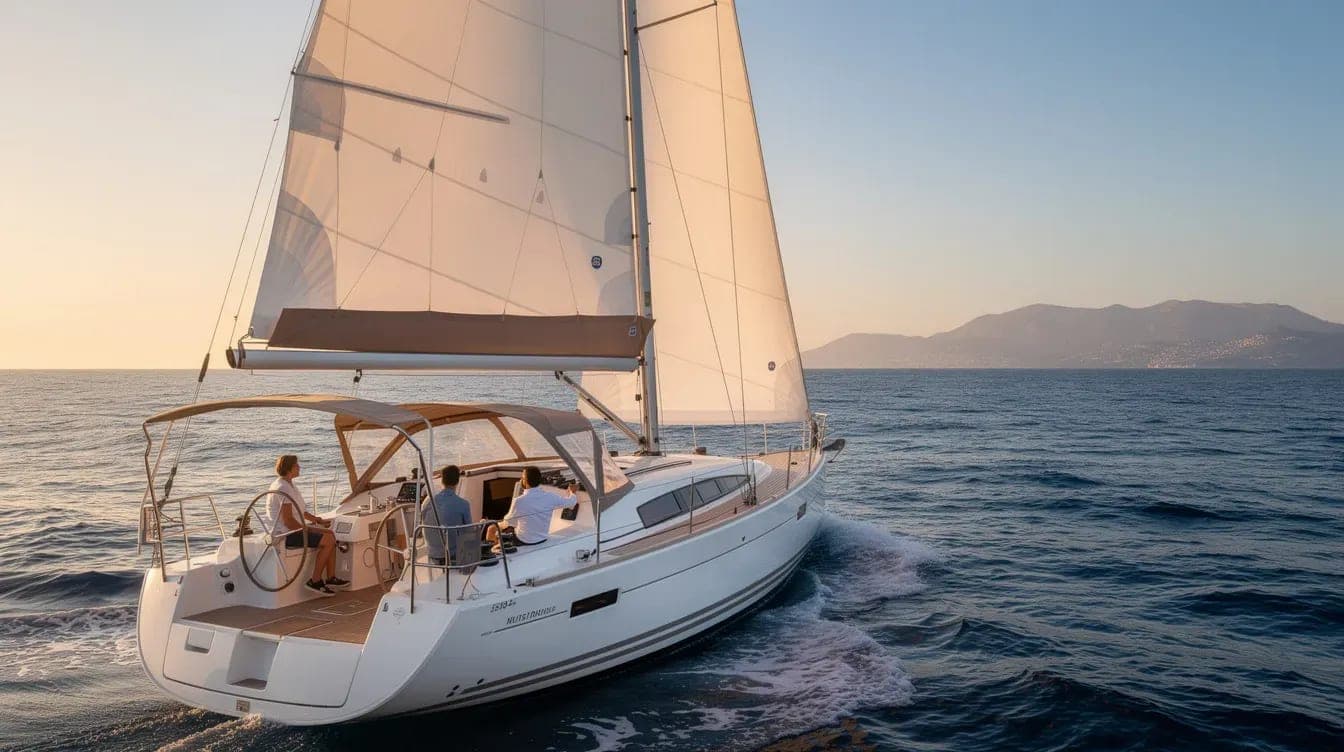
The useful question is not "which cove is secret?" but "which part of the coast fits today's conditions?" A wide beach can feel calmer than a famous rocky cove if you arrive early. A rocky inlet can look perfect in photos but become uncomfortable with easterly wind. A private boat can feel very peaceful, but only if the skipper adapts the route to real sea conditions. For context on the private sailing setup, space and comfort on board, you can see Peggy.
This guide explains how to choose a quiet beach, cove or coastal route in Alicante at the end of June.
Updated for the 2026 season. Real calm depends on weather, sea state, local events, beach services and safety decisions on the day.
Why late June is different from August
By the end of June, Alicante is already in summer mode, but it is not yet as busy as August. Schools have finished, the Hogueras de San Juan period brings activity to the city and visitor numbers increase every week, but the strongest family holiday pressure usually arrives later.
That creates a useful window if you choose well:
- Early mornings are more valuable: fewer people, less accumulated heat and often lighter wind.
- Afternoons feel busier: easy-access beaches fill more quickly after work and later in the day.
- Weekends change everything: a late-June Saturday can feel much closer to July.
For a quieter plan, combine weekday timing, early arrival, favourable wind and a beach that gives people room to spread out.
How to choose without getting it wrong
Before choosing a spot, ask four questions.
-
Do you want sand, rocks or a swim from a boat?
Sand is easier for families and longer stays. Rocks often mean clearer water, but require proper footwear and less luggage. A boat avoids some land access issues, but depends on wind, swell and authorised anchoring areas. -
Morning or afternoon?
Morning is usually better for calm. Sunset can be beautiful, but easy-access beaches also attract more people later in the day. -
What is the wind doing?
The same cove can change completely with easterly, southerly, westerly wind or thermal breeze. Check the AEMET maritime forecast, PORTUS by Puertos del Estado and the Puerto de Alicante weather page before deciding. -
Do you need services?
Showers, lifeguards, walkways and nearby bars attract people, but they also make the day easier. With children, older guests or a lot of equipment, a serviced beach can be better than a more isolated cove.
The Alicante City Council keeps an official Alicante beaches page with beach information and services.
Quick table: area, timing and backup plan
| Area | Best moment in late June | Best for | Backup if wind changes |
|---|---|---|---|
| Almadraba | Quiet morning or late day | Calm urban swim and sunset | Albufereta if you need more services |
| Albufereta | First half of the morning | Sand, comfort and easy access | San Juan early if it feels full |
| Cabo de la Huerta | Very early with calm sea | Rocks, clear water and light visit | Sandy beach if there is swell or children |
| Saladares-Urbanova | Morning or late day without strong wind | Space and open horizon | Almadraba if the sea feels uncomfortable |
| San Juan | Early weekday | Wide sand and services | Move away from main access points |
| Tabarca | Full day and stable forecast | Special excursion, not guaranteed solitude | Shorter coastal route with skipper |
Areas that usually work well in late June
There is no fixed list of "the quietest" places because sea state and visitor pressure change daily. Still, these areas are useful starting points.
Playa de la Almadraba: urban calm and sunset
Almadraba is a practical option if you want a quieter beach without leaving Alicante. It has a more sheltered feel than the biggest urban beaches and is often pleasant for a relaxed swim or a late afternoon by the water.
It works well for:
- A simple swim close to the city.
- A slower sunset plan.
- Less of a mass-beach feeling.
- Easier access than a rocky cove.
It is not a large beach, so it can lose its calm if you arrive late on a weekend. Always check the flag and water conditions before swimming.
La Albufereta: comfortable if you choose the right hour
Albufereta has sand, services and a more manageable scale than some larger beaches. It can be a good choice for families or visitors who want to avoid difficult rocky access. At the end of June, early arrival matters.
Choose it if you value:
- Sand and easy swimming.
- Nearby services.
- A simple morning plan.
- A more compact beach environment.
If you want complete silence, a serviced urban beach will not be the most isolated option. But for comfort and balance, it can work well.
Cabo de la Huerta: beautiful coves with conditions
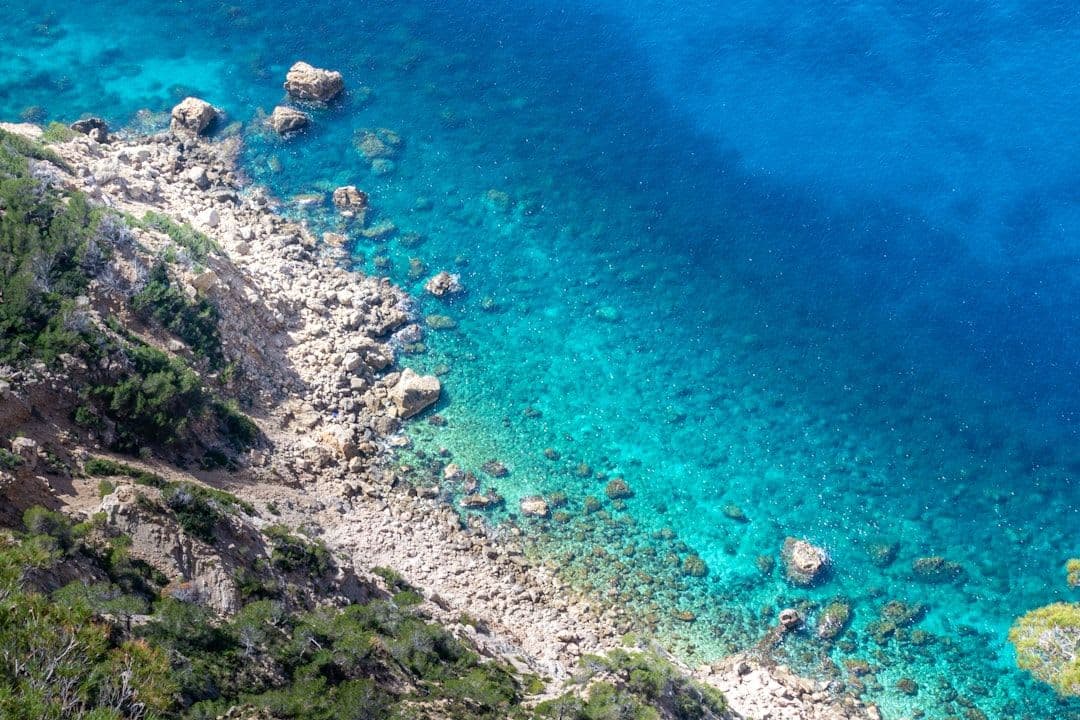
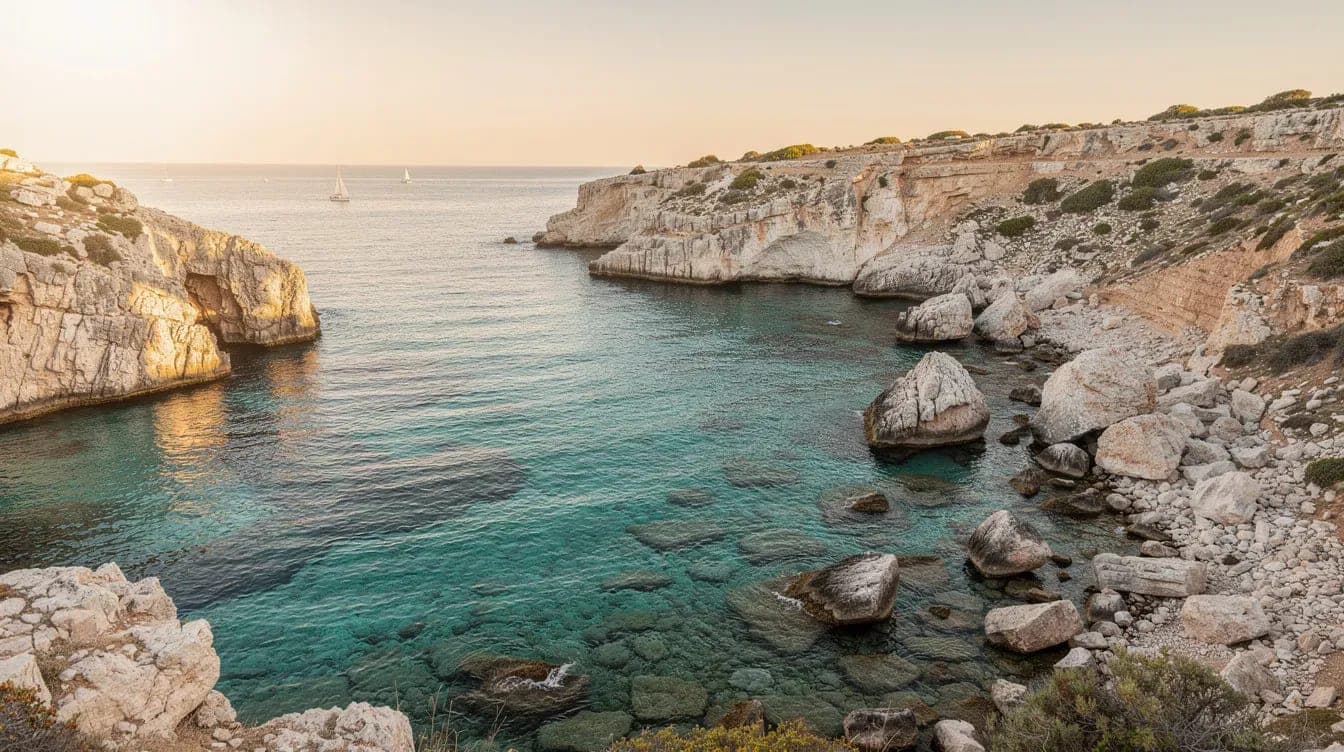
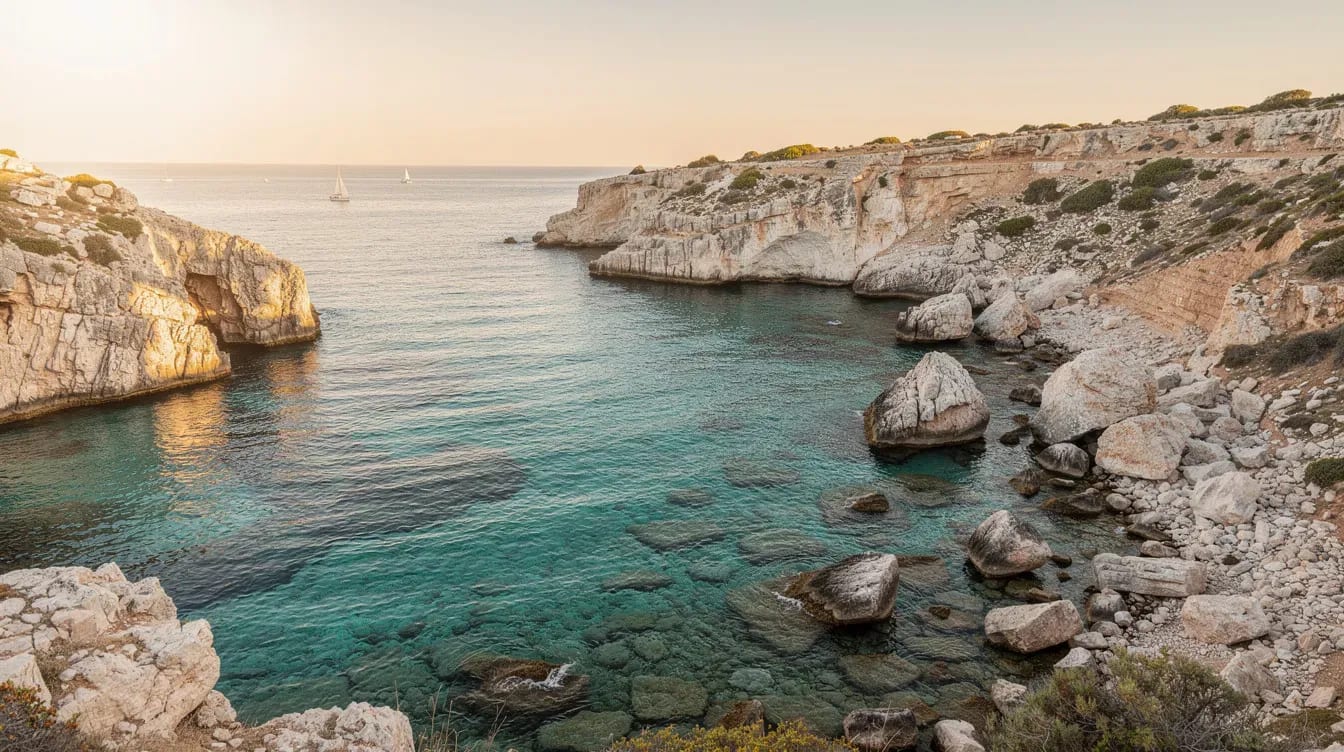
Cabo de la Huerta is a classic reference for Alicante coves. Its rocky inlets can offer clear water, natural scenery and a less urban feeling. They also require care: uneven access, rocks, little shade and swimming conditions that depend heavily on swell and wind.
It suits visitors looking for:
- Clear water and rocky scenery.
- A shorter, lighter beach visit.
- Snorkelling when the sea is calm.
- Less equipment and proper footwear.
Avoid it if you need shade, easy accessibility, simple water entry or a long family beach day with young children. For more coastal ideas from the water, read the guide to the best coves near Alicante by sailboat.
Saladares-Urbanova: space to breathe
Saladares-Urbanova can work well when space matters. It is a more open beach south of Alicante, and a wide beach often feels calmer than a small popular cove.
It can fit if you want:
- More distance between towels.
- A long walk and open horizon.
- A morning or late-afternoon plan.
- To avoid the most central tourist spots.
The open setting also means more exposure to wind. Check sea and wind forecasts before committing.
San Juan: not always crowded if you use it well
San Juan is not the obvious answer for "quiet", but its size gives you options. On a weekday morning, it can feel easier than a small cove where everyone is chasing the same hidden spot.
It makes sense if you need:
- A wide sandy beach.
- Services and promenade.
- Easy swimming.
- Room to choose your area.
It is not the best choice for visual isolation or silence, but it can be practical for families and groups who need comfort.
Tabarca: beautiful, but not a quick quiet plan
Tabarca appears in many searches for clear water near Alicante. It is special, but at the end of June it should not be treated as the easiest quiet option if you have little time or expect solitude. The island concentrates visitors, boats and excursions on good days.
It can be worth it if:
- You have a full day.
- You accept more movement during central hours.
- The route can adapt to wind and sea.
- Expectations are realistic.
If you go by private boat, the skipper should decide whether Tabarca makes sense that day or whether a shorter coastal route will be calmer. For more detail on anchoring logic, use the guide to anchorages and coves in Alicante.
Best time of day for calm
In late June, early morning is usually the safest bet for calm: less heat, less beach traffic, more choice and often lighter wind.
As a practical guide:
- 08:00-10:30: best window for calm, photos, a short swim and walking.
- 10:30-13:30: busier, but still workable in wider areas.
- 13:30-17:00: hotter and less comfortable, especially in rocky coves.
- 17:00-20:30: good light and atmosphere, but more people in easy-access areas.
For boat trips, timing also depends on breeze. Summer thermal wind can make sailing pleasant but anchoring or swimming less comfortable in exposed areas.
How wind changes everything
A calm cove is not just a cove with fewer people. It also needs comfortable water, safe entry and conditions that allow a boat to stop safely if you are at sea.
Before going, check:
- Wind direction and strength.
- Wave height and period.
- Beach flag.
- Local warnings.
- Forecast changes during the afternoon.
AEMET, Puertos del Estado and Puerto de Alicante are useful references, but they do not replace lifeguard instructions or the skipper's decision.
Beach or boat: which is quieter?
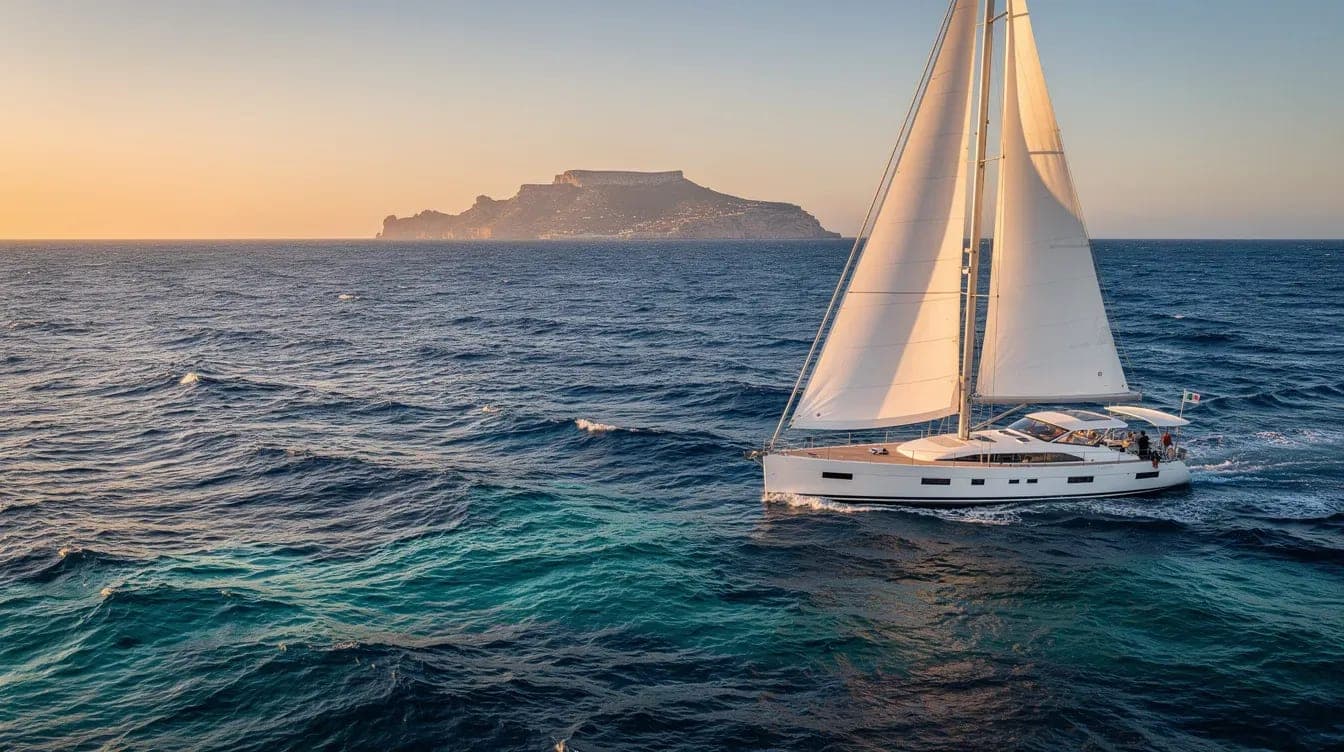
For a simple morning, choose the beach. For privacy, a slower rhythm and less stress with parking and equipment, a boat can be better. But a boat does not guarantee an empty cove and cannot anchor wherever you want. There are marked swimming areas, protected zones, anchoring rules and safety decisions.
A quiet late-June boat plan usually works best when:
- The group accepts a flexible route.
- Tabarca is not forced into a short trip.
- Nearby coast and swimming are prioritised when wind suggests it.
- The skipper chooses the stop according to real conditions.
For seasonal expectations, see the guide to the best time to rent a boat in Alicante.
If the plan includes swimming from a boat, also read the guide to anchorages and coves in Alicante, because not every cove is equally comfortable and not every area allows the same kind of stop.
What to take to rocky coves
For Cabo de la Huerta or other rocky areas, pack light and practical:
- Water shoes or grippy footwear.
- Enough water.
- Sun protection and cap.
- Small dry bag.
- Light towel.
- Snorkel mask if the sea is calm.
- Charged phone.
Avoid large coolers, difficult umbrellas, heavy bags or anything that makes access awkward.
What to avoid if you want calm
These choices usually make the day worse:
- Arriving at a famous cove at midday.
- Choosing only from social media photos.
- Ignoring wind and swell.
- Wearing unstable sandals on rocks.
- Expecting full services in an isolated cove.
- Expecting silence on an easy urban beach.
- Forcing Tabarca on a windy day or with too little time.
Quick recommendation by plan
For sand, services and comfort, look at Albufereta or San Juan early.
For a quieter sunset near the city, Almadraba is often a good candidate.
For clear water and rocky scenery, Cabo de la Huerta can work if you travel light and wear proper footwear.
For more space, Saladares-Urbanova may be better than a small cove.
For a sea-based experience, choose a flexible route and let the skipper adapt coast, timing and swimming stop to the conditions.
Conclusion
Quiet beaches and coves in Alicante at the end of June are not a fixed list. They are a decision based on time, wind, access and expectations. To get it right, avoid the middle of the day, check the maritime forecast, choose sand or rock according to your group and do not force long routes if the sea does not help.
Late June still gives you a good chance of finding a gentler coastline. The best strategy is simple: go early, pack light, check the wind and choose the area that fits the day, not only the photo.
Local experience note: this guide has been written from the operating logic of coastal outings in Alicante: real boarding times, common summer breezes, beach access and the safety decisions a skipper must check before promising a route.